Wind Races
Use tools to make different materials move with the wind!
The Wind Races activity is especially good for children to practice staying focused and deepen their curiosity.
- Audience
- Caregiver
- Subject
- STEAM
- Age
- ElementaryKindergartenPre-KPreschool
- Languages
- Brazilian PortugueseEnglishHaitian CreoleSimplified ChineseSpanishVietnamese
- Materials
- Straws, Paper, Cotton Balls, Assorted Items (light objects to blow on: corks, salt, pepper, sugar, shells, paper scraps), Painters Tape
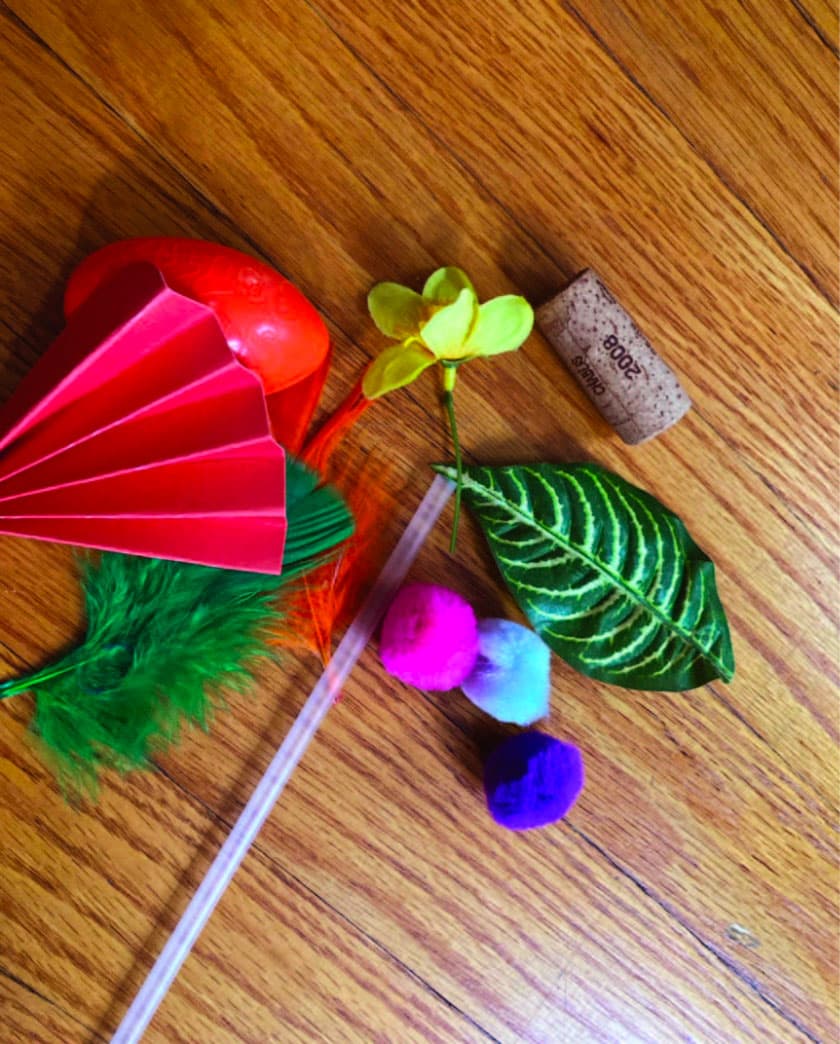
Tinkering is about exploring and problem solving using materials and tools. Tinkering often starts with simple questions, like “What can I do with this?” or “How does this work?”
The Wind Races activity is especially good for children to practice staying focused and deepen their curiosity.
Getting Ready
Set up a “racing station” on the floor or on a long table. Make a “start” and a “finish” line using painter’s tape or anything that won’t blow away, like two rulers or pillows. Gather your materials and work together to make some fans out of paper by folding each sheet back and forth.
Things to Try
- Invite your child to try moving the cotton balls and each of the heavy and light objects you’ve collected by blowing on them through a straw. Then try to move the same objects using wind you make with your fans. Work together to make three piles—one for “moves a lot,” one for “moves a little,” and one for “doesn’t move at all.”
- Encourage your child to bring an object to the “racing station” you created and use wind to move their object from one end to the other. How far does their object go with one blow? Two blows? What can they do to the object to help it move further in one blow?
- Try testing the same objects on different surfaces, like carpet, grass, cement, and more. Do the different surfaces change how the objects move with the wind?
- Work together to make an obstacle course for the objects. Add something to go through, like a box. Add something to go under, like a chair or table. And add something to go around, like stuffed animals. Then... “Ready, get set, blow!” Change the order of the challenges and try again.
“Wow! I can see that you’re trying hard to move that object.”
“I like that you thought of a new way of doing that!”
“What can you tell me about what you’re finding out?”
Related Resources
 CaregiverActivity
Exploring Ice
The Exploring Ice activity is especially good for children to deepen their curiosity and practice doing things their own way.
 CaregiverActivity
Cup Creations
The Cup Creations activity is especially good for children to develop persistence and practice finding multiple solutions to a challenge.
 CaregiverActivity
Cardboard Worlds
The Cardboard Worlds activity is especially good for children to develop their independent thinking skills and explore their creativity.
 CaregiverActivity
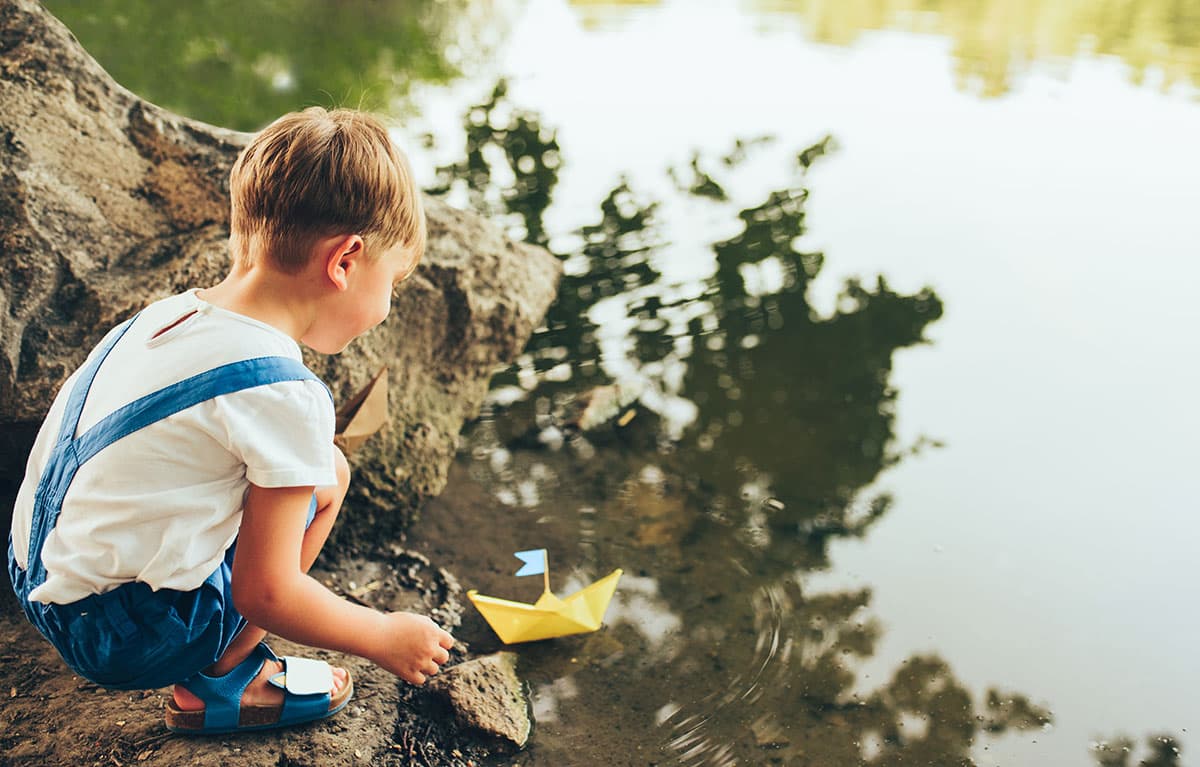
Boats Afloat
Make a simple boat by changing the shape of a material and see how much your boat can carry.
 CaregiverActivity
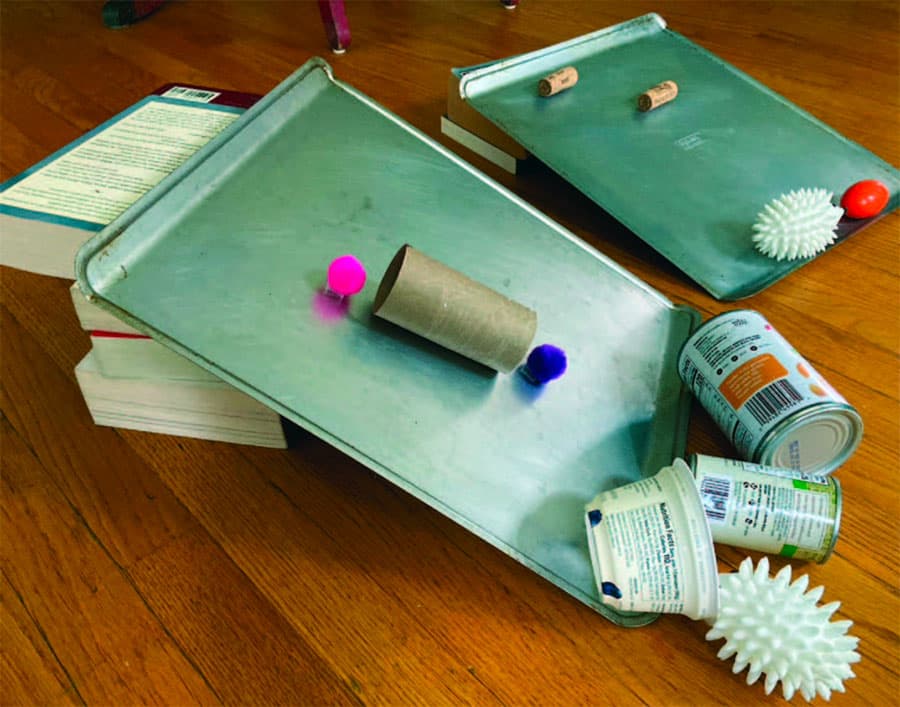
Balls and Ramps
Tinkering is about exploring and problem solving using materials and tools. Tinkering often starts with simple questions, like “What can I do with this?” or “How does this work?” The Balls and Ramps activity is especially good for children to practice using materials in creative ways and experiment with different ways of solving problems. Getting […]
 EducatorGuide
Tinker – Educator Guide
Tinker is a set of resources designed to support educators and caregivers in engaging young children with hands-on STEAM learning. Encouraging children to tinker gives them the skills to be creative problem solvers out in the world. Tinkerers make great discoveries, small and large. Children who are encouraged from an early age to tinker and […]
 EducatorGuide
Tinker – Playgroup Guide
You can use or adapt this playgroup structure to maximize playful learning about STEAM concepts during your playgroup. Be sure to also visit the Tinker collection to download the accompanying Family Activity Sheets. This playgroup guide includes:
 CaregiverActivity
Figuring It Out
Stuck zippers! Snatched toys! Spilled milk! Learning to be a good problem-solver helps children be independent and feel more comfortable trying new things. It also helps them enjoy playing with others.