Exploring Ice
Use tools to investigate how ice can be broken and melted.
The Exploring Ice activity is especially good for children to deepen their curiosity and practice doing things their own way.
- Audience
- Caregiver
- Subject
- STEAM
- Age
- ElementaryKindergartenPre-KPreschool
- Languages
- Brazilian PortugueseEnglishHaitian CreoleSimplified ChineseSpanishVietnamese
- Materials
- Small Containers for making ice (plastic cups, bowls, yogurt containers, ice cube trays), Small Toys, Natural Materials (leaves, rocks, pine cones), Food Coloring, Tongs, Spray Bottle, Large bowl or tub
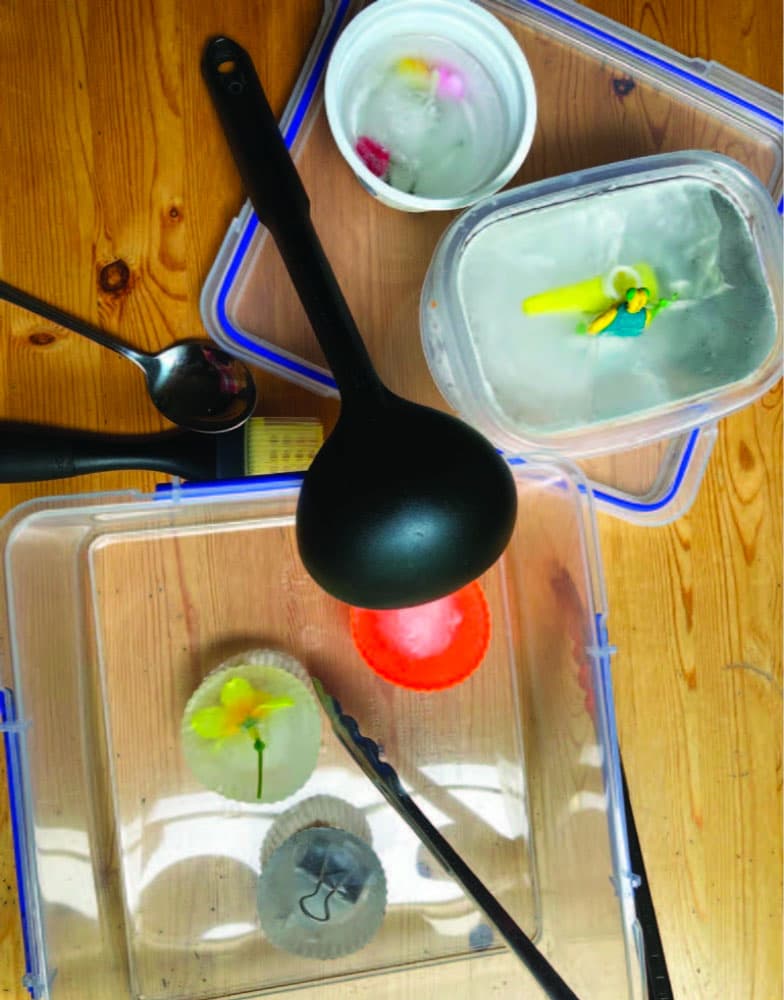
Tinkering is about exploring and problem solving using materials and tools. Tinkering often starts with simple questions, like “What can I do with this?” or “How does this work?”
The Exploring Ice activity is especially good for children to deepen their curiosity and practice doing things their own way.
Getting Ready
Make the ice the night before you plan to do the activity. Pour water into the small containers. Add a small object (toys or natural materials) to some. Add food coloring to others, if you like. Place all of the containers in the freezer overnight.
You can do this activity outside or inside. If you’re exploring inside, you might want to cover your work area to protect it from spills. To start, gather your materials and put some ice into a large bowl (take some out of the containers and leave others in).
Things to Try
- Invite your child to explore the ice with their hands and the tools you’ve gathered (turkey baster, spoons, spray bottles, tongs, and more). If any of the tools are new to your child, you may want to demonstrate how to use them.
- Challenge your child to use the tools to make the ice smaller. How do the different tools change the ice? If you’ve frozen small objects inside the ice, encourage them to free the objects. Which tools make the ice melt the fastest?
- Give your child some salt and encourage them to see how it changes the ice. Do smaller pieces change more quickly than larger ones?
- Invite your child to build an ice sculpture by using tools to move ice blocks around or stack them on top of one another. Then use the tools to melt the ice sculpture into a puddle.
“Let’s think about what might happen…? ”
“I like how you’re thinking!”
“You almost got it! Keep trying.”
Related Resources
 CaregiverActivity
Wind Races
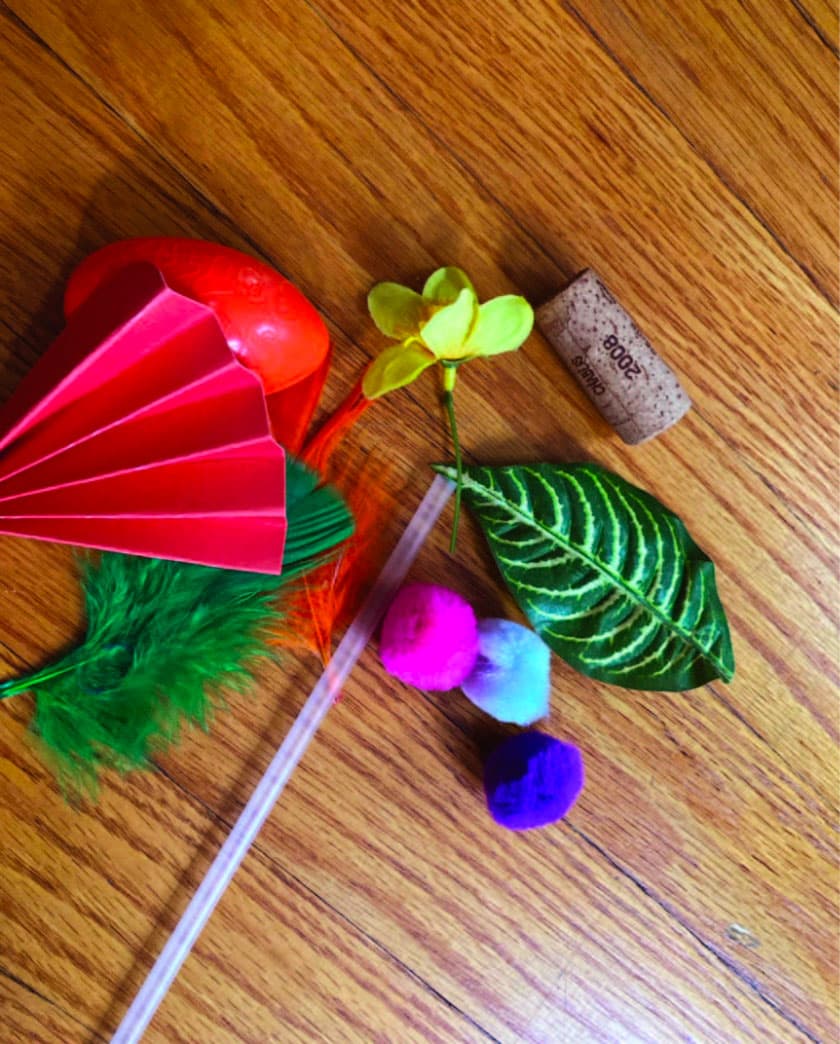
The Wind Races activity is especially good for children to practice staying focused and deepen their curiosity.
 CaregiverActivity
Cup Creations
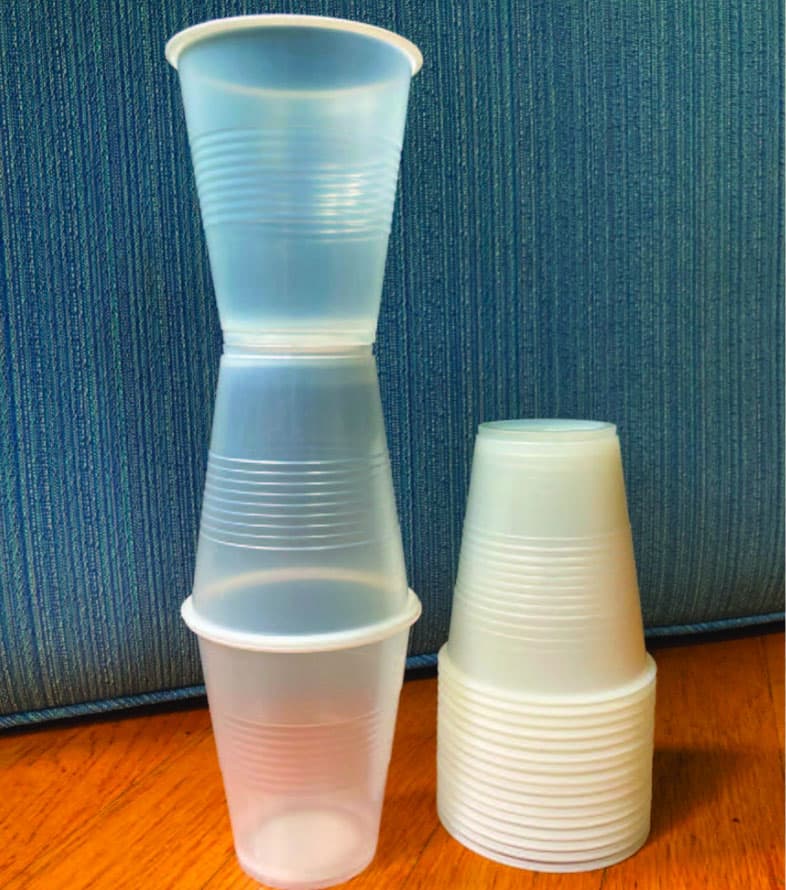
The Cup Creations activity is especially good for children to develop persistence and practice finding multiple solutions to a challenge.
 CaregiverActivity
Cardboard Worlds
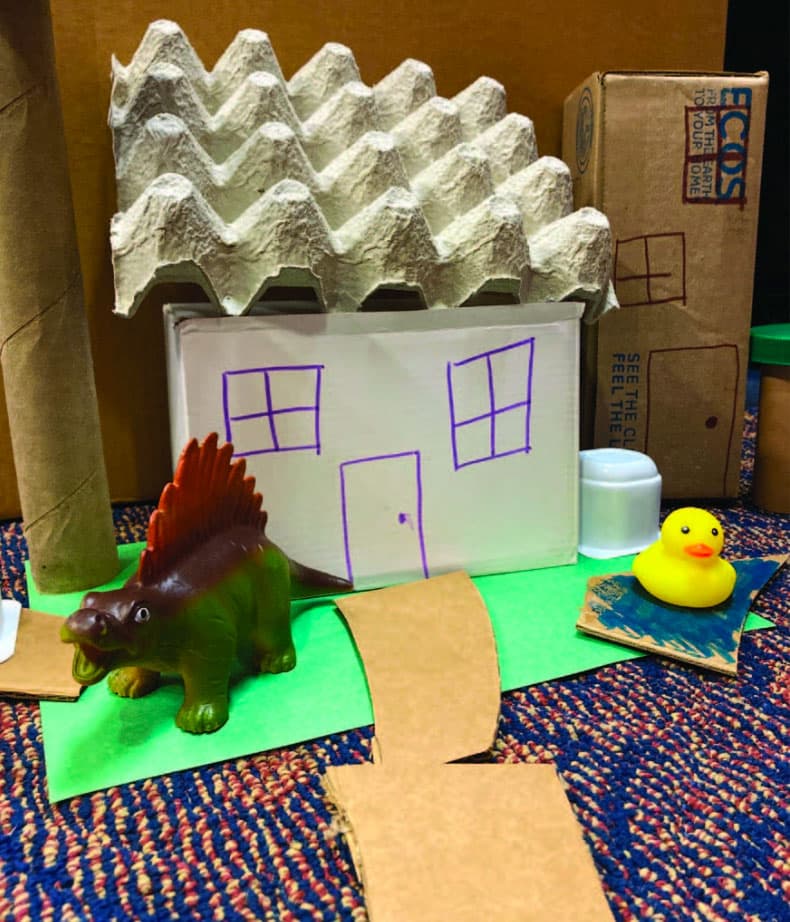
The Cardboard Worlds activity is especially good for children to develop their independent thinking skills and explore their creativity.
 CaregiverActivity
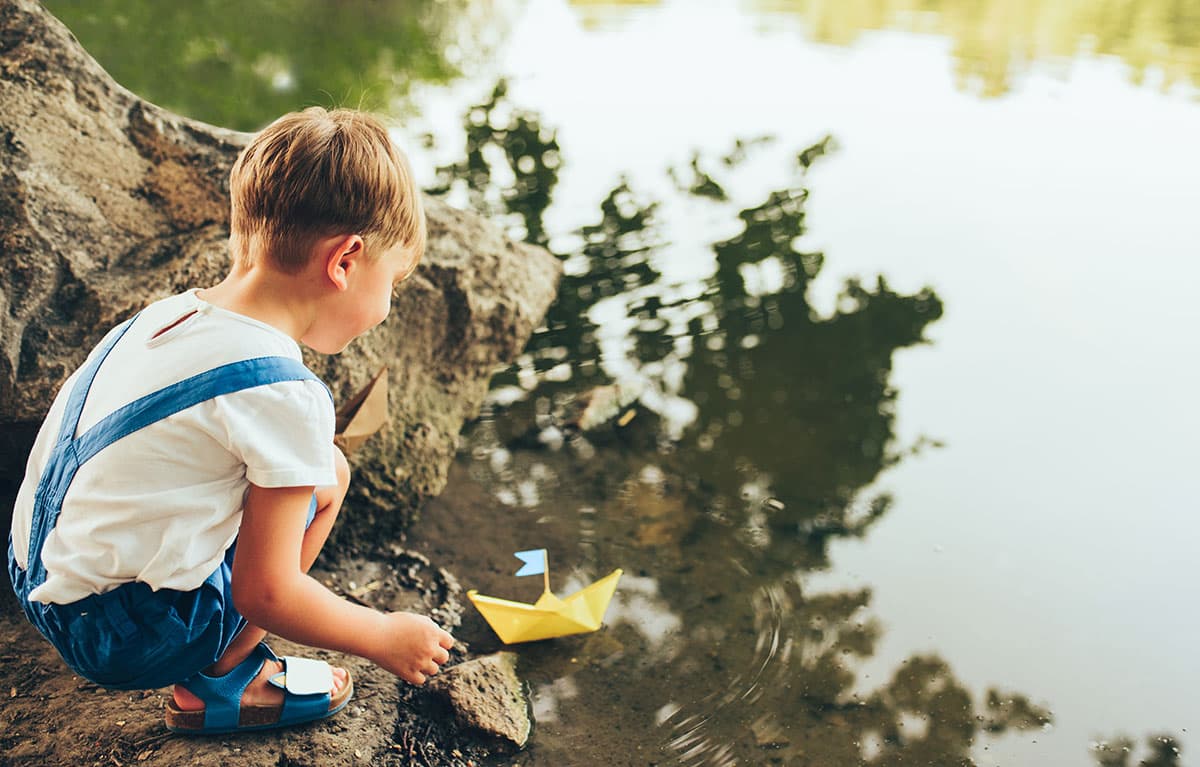
Boats Afloat
Make a simple boat by changing the shape of a material and see how much your boat can carry.
 CaregiverActivity
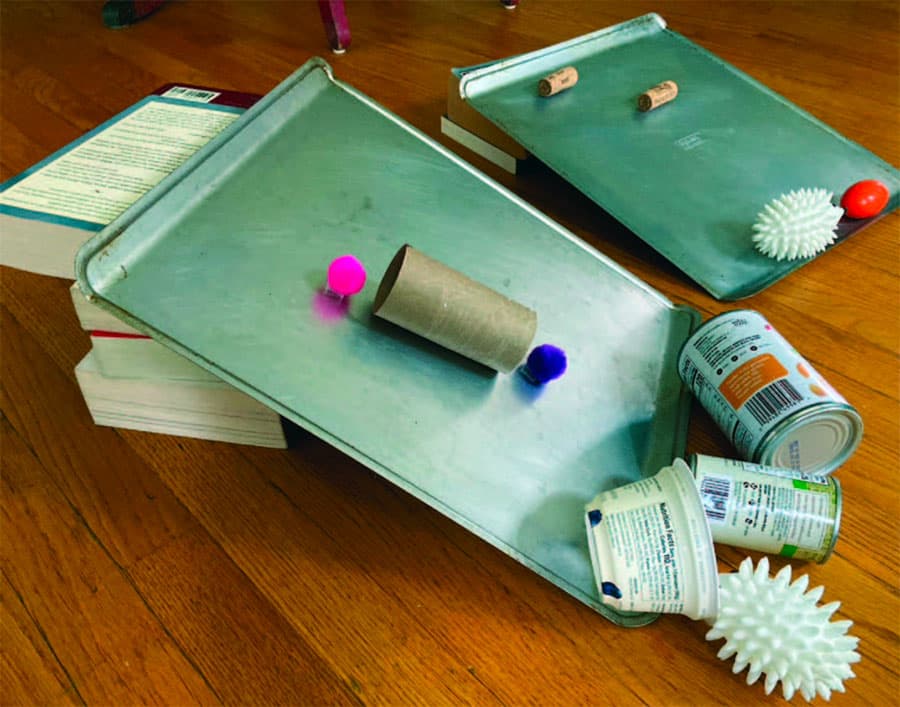
Balls and Ramps
Tinkering is about exploring and problem solving using materials and tools. Tinkering often starts with simple questions, like “What can I do with this?” or “How does this work?” The Balls and Ramps activity is especially good for children to practice using materials in creative ways and experiment with different ways of solving problems. Getting […]
 EducatorGuide
Tinker – Educator Guide
Tinker is a set of resources designed to support educators and caregivers in engaging young children with hands-on STEAM learning. Encouraging children to tinker gives them the skills to be creative problem solvers out in the world. Tinkerers make great discoveries, small and large. Children who are encouraged from an early age to tinker and […]
 EducatorGuide
Tinker – Playgroup Guide
You can use or adapt this playgroup structure to maximize playful learning about STEAM concepts during your playgroup. Be sure to also visit the Tinker collection to download the accompanying Family Activity Sheets. This playgroup guide includes:
 CaregiverActivity
Figuring It Out
Stuck zippers! Snatched toys! Spilled milk! Learning to be a good problem-solver helps children be independent and feel more comfortable trying new things. It also helps them enjoy playing with others.