Stories Full of Feelings
Exploring social-emotional skills through books
Books are great tools to support young children’s social-emotional learning. The characters in the stories introduce many different feelings and ways of being a good friend or helper. And many stories also share creative ways of problem-solving.
- Audience
- Caregiver
- Subject
- Social-Emotional Learning
- Age
- KindergartenPre-KPreschoolToddler
- Languages
- English
The Basics
Books are full of characters who face similar things to what children experience every day. They might be excited or worried about trying something new. They might want to play with a group of children and not quite know how. Or they might make mistakes and then find ways of trying again.
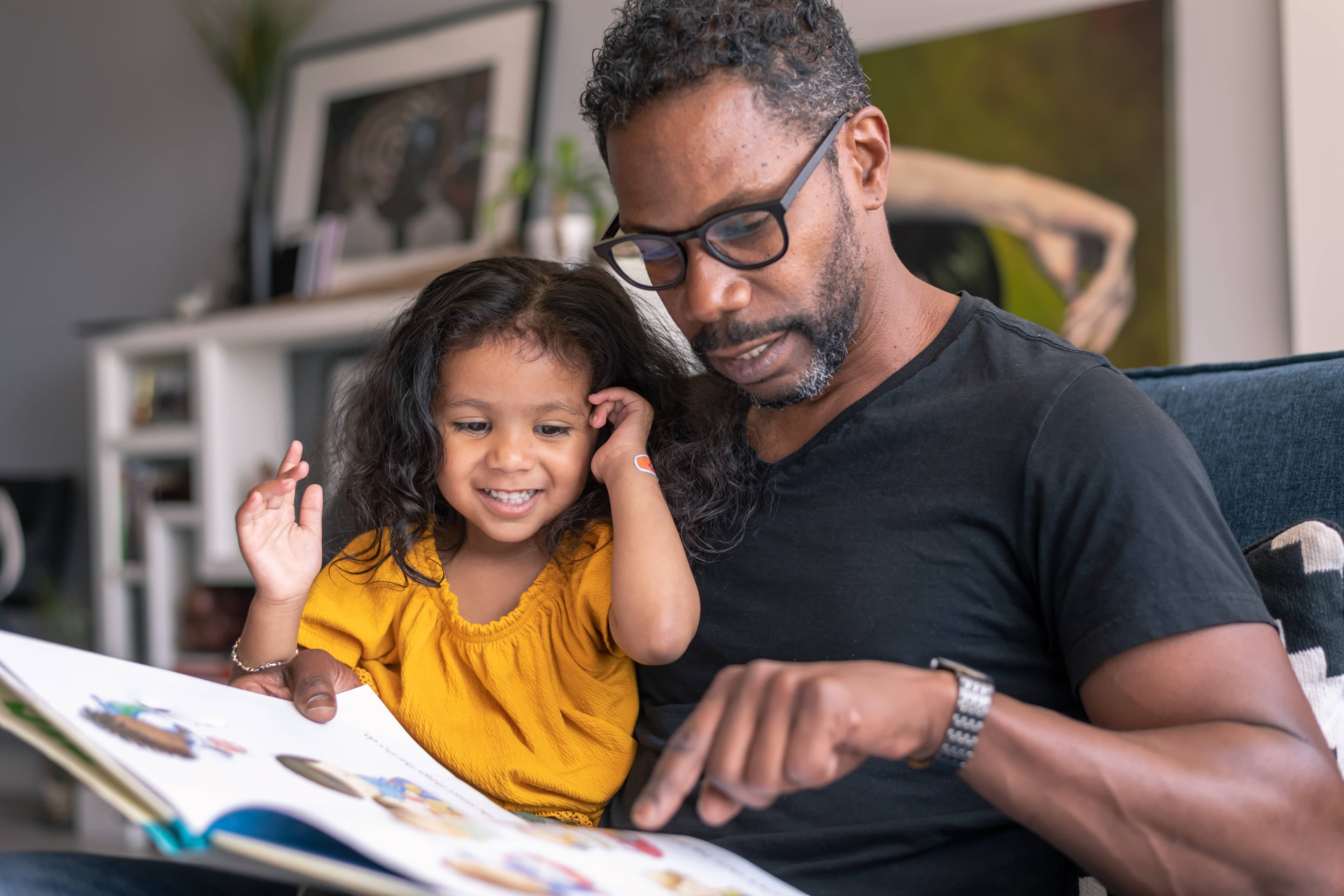
Books offer lots of opportunities for you to talk through situations and feelings with your child. And the characters can become role models for young children as they practice their own social-emotional skills.
Reading together is also a great way to enjoy some quiet time with your child—and you can learn a lot about each other too!
Books to Explore Together
“So many feelings! Let’s try naming the different feelings.” “How are you feeling today?”
Happy, sad, mad—so many ways to feel! Books can help young children learn to put names to each feeling. Pictures can also help them connect facial expressions, body movements, and colors to those feelings.
Book suggestions:
- Tiger Days: A Book of Feelings by M.H. Clark
- The Color Monster: A Story About Emotions by Anna Llenas
- Why Do We Cry? by Fran Pintadera
- Lots of Feelings by Shelley Rotner
“It seems like he might be feeling a little scared. What did he do to help with that feeling?" "What else could you do if you were feeling scared?”
Everyone gets scared or frustrated or angry sometimes. Characters can model lots of different ways of working through big feelings. And you and your child can think together about safe and healthy ways for them to handle their own feelings.
Book suggestions:
- When Sophie Gets Angry—Really, Really Angry… by Molly Bang
- Jabari Jumps by Gaia Cornwall
- The Rabbit Listened by Cori Doerrfeld
- Ruby Finds a Worry by Tom Percival
- Sometimes I’m Bombaloo by Rachel Vail
“Hmm... do you think she is playing nicely with the other children? What would you do differently?" “What is Bear doing to be a good listener?”
Young children are just starting to learn how to work and play together—and it is not always easy. Taking turns, following directions, and saying kind words are all skills they are practicing. Books can help you and your child talk about what it means to work and play nicely with others.
Book suggestions:
- Rex Wrecks It! by Ben Clanton
- The Magical Yet by Angela DiTerlizzi
- Be Kind by Pat Zietlow Miller
- The Problem with Problems by Rachel Rooney
“Let's turn to the next page. What do you think will happen next? ”
Even if a book is not “about” social-emotional skills, there are still lots of social-emotional skills in stories to learn from. Learning to imagine what someone else is thinking or what might happen next are important steps for being able to work together and solve problems.
Book suggestions:
- Help!: A Story of Friendship by Holly Keller
- Saturday by Oge Mora
- Russell the Sheep by Rob Scotton
- Lali’s Feather by Farhana Zia
Related Resources
 CaregiverActivity
Figuring It Out
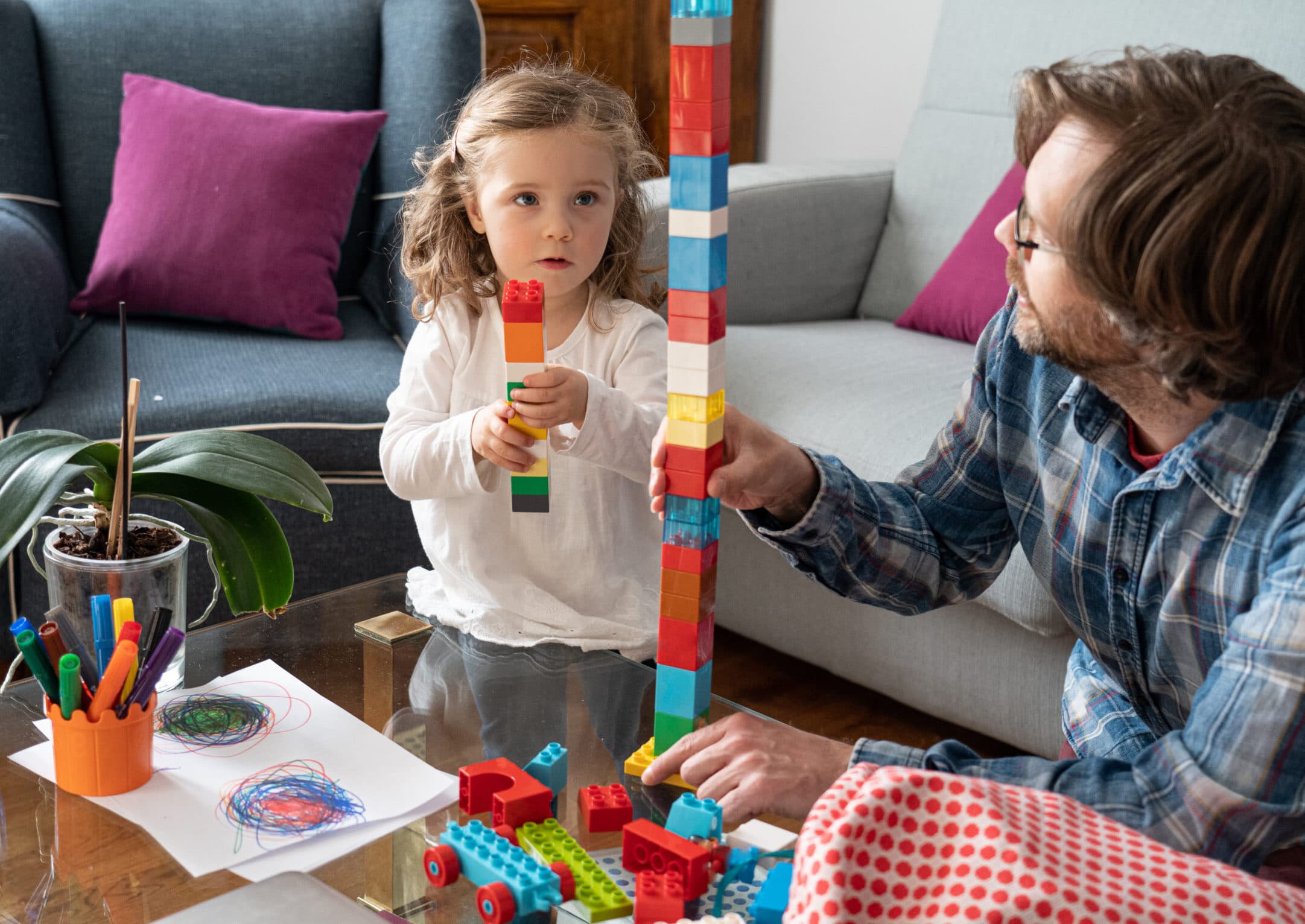
Stuck zippers! Snatched toys! Spilled milk! Learning to be a good problem-solver helps children be independent and feel more comfortable trying new things. It also helps them enjoy playing with others.
 CaregiverActivity
My Turn, Your Turn
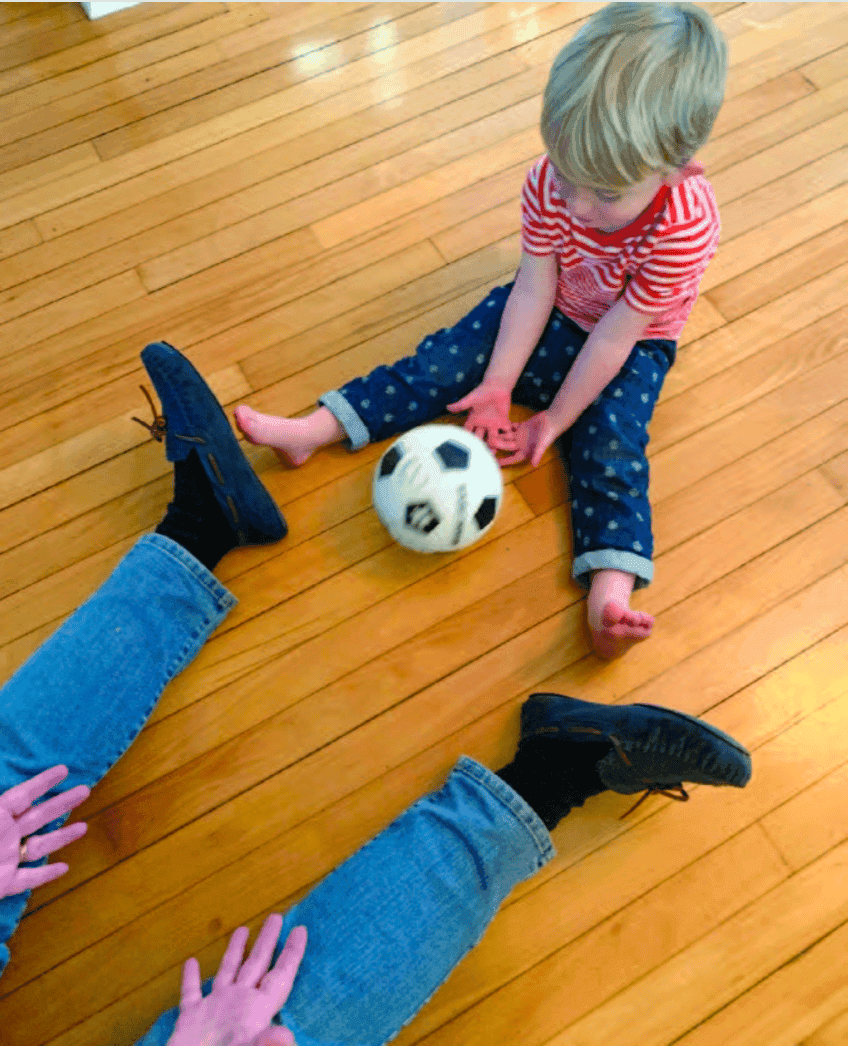
Taking turns is an important part of playing and working together, but it is not easy. Children need a lot of practice and help from adults to learn to do it well.
 CaregiverActivity
Listen, Think, and Do
“Please wait.” “Eat your spaghetti with your fork.” “Give your friend a turn.” Learning the skills to follow directions helps children learn to behave nicely with others.
 CaregiverActivity
More Than Me
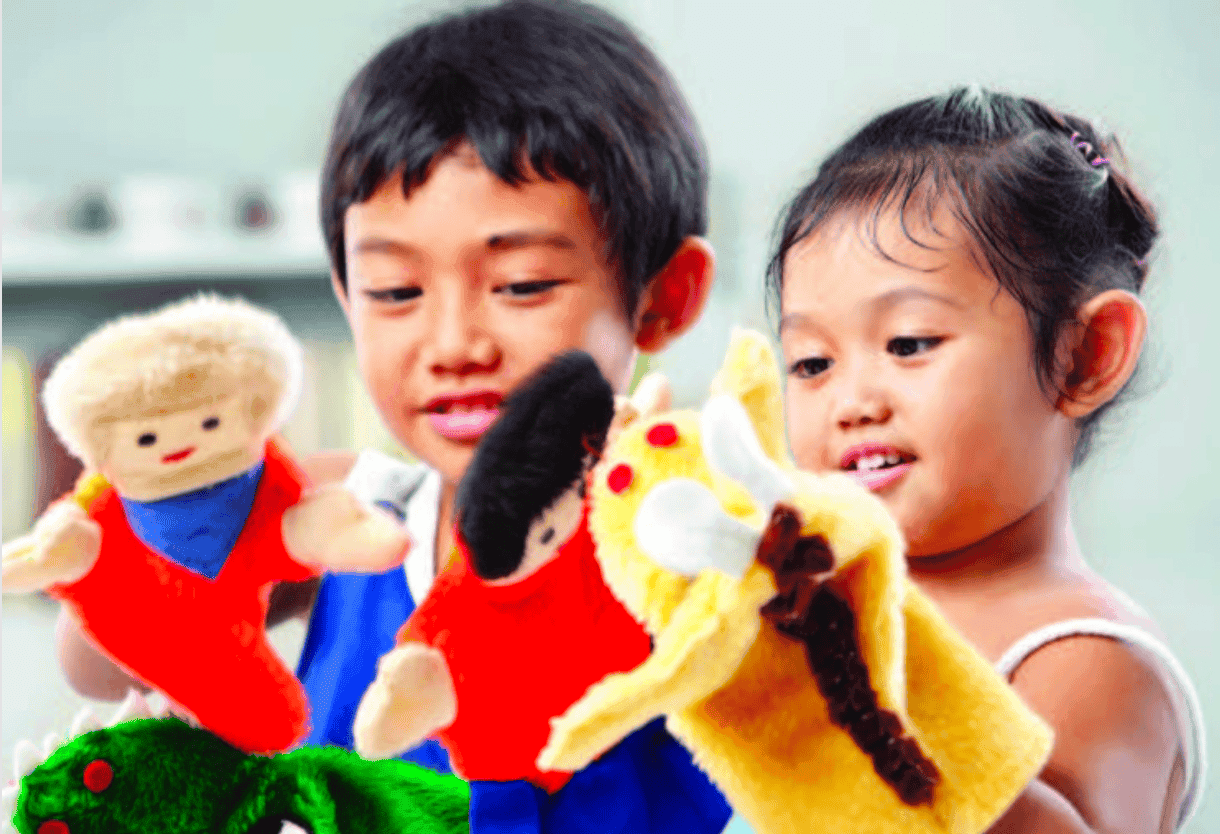
“I am happy. But you seem sad?” It is hard to imagine how others feel. But it is a skill that children need to play with others and make friends.
 CaregiverActivity
Deep Breaths and Happy Dances
Really happy, really sad, or really mad—feelings can be hard to manage. When a child can manage their feelings, they are able to show their feelings without losing control.
 FeaturedCaregiverActivity
Happy, Sad, Mad
Children experience lots of different feelings. Every feeling has its own name. But each child feels and shows their feelings in different ways.
 EducatorGuide
Me, You, We – Playgroup Guide
Playgroup structure to maximize social-emotional learning during your playgroup.
 CaregiverActivity