Listen, Think, and Do
Learning to follow directions
“Please wait.” “Eat your spaghetti with your fork.” “Give your friend a turn.” Learning the skills to follow directions helps children learn to behave nicely with others.
- Audience
- Caregiver
- Subject
- Social-Emotional Learning
- Age
- KindergartenPre-KPreschoolToddler
- Languages
- ArabicBrazilian PortugueseCape VerdeanEnglishFrenchHaitian CreoleRussianSimplified ChineseSpanishVietnamese
- Materials
- Chalk, scarves

The Basics
Babies can be good at following simple directions, like “give the ball to mama”. Young children need to develop many skills to be good at following more complicated directions. They need to be able to listen. They need to be able understand what they are being told and remember each of the steps. And they need to have the right skills to be able to do what was asked. At the same time that children are learning to follow directions, they are also building their independence. They are testing their ability to do things their own way. So they might not always want to follow your directions!
Getting Started
It is easier to follow directions when the directions are clear. Use words your child will understand. “Put your blocks on the shelf.” Let your child finish one task before giving directions for another task. Learning to follow directions takes practice and lots of patience!
Things to Try with Ages 2 to 5 More!
Twirl, dance, and freeze
- Wave a scarf high above your head. Invite your child to copy you. Then shake it low down by your toes. Let them copy you again. Do one movement at a time. Try clapping, jumping, or twirling. Then let your child be the leader.
- Do two movements at the same time for your child to copy. Wave the scarf high above your head and jump. Or wave it while you twirl. Do the actions quickly or slowly. Add music and encourage your child to follow your moves. Take turns being the leader!
- Play a game of “freeze dance”. Explain the directions. When the music starts, everyone dances. When the music stops, everyone freezes and stays as still as they can.
Obstacle course
- Line up three pillows or other soft objects on the floor to make a simple physical challenge for your child. “Crawl from the first pillow to the second pillow. Then from the second pillow to the third pillow.” Try “walking like a cat” or “hopping like a rabbit” or “slithering like a snake”.
- Combine a few challenges together to make an obstacle course. Use something to jump over, like pillows. Add something to crawl under, like a chair or table. And add something to go around, like stuffed animals. Give clear directions. Then… “Ready, get set, go!” Change the order of the challenges and try again.
- Go outside! Draw an obstacle course using sidewalk chalk. Make lines to walk on, circles to jump to, spirals to twirl on, and more. Try the obstacle course while walking, running, or hopping. Give clear directions each time.
Everyday Interactions
Cook or bake together. Read each direction in the recipe aloud. Ask your child to help you figure out what it means. Then do it together.
Children love being helpful. Give them a helping job with a specific direction. “Put the forks on the table for dinner, please.”
Model, Notice, Practice
“You want me to line up the blocks like train tracks? Good idea! I will do that.”
“I like the way you brushed your teeth. You put the toothpaste on the brush first.”
“Please put your blocks in the bin.” … “Oops! You put your blocks in a pile on the floor. Try again.”
Related Resources
 CaregiverActivity
Figuring It Out
Stuck zippers! Snatched toys! Spilled milk! Learning to be a good problem-solver helps children be independent and feel more comfortable trying new things. It also helps them enjoy playing with others.
 CaregiverActivity
My Turn, Your Turn
Taking turns is an important part of playing and working together, but it is not easy. Children need a lot of practice and help from adults to learn to do it well.
 CaregiverActivity
More Than Me
“I am happy. But you seem sad?” It is hard to imagine how others feel. But it is a skill that children need to play with others and make friends.
 CaregiverActivity
Deep Breaths and Happy Dances
Really happy, really sad, or really mad—feelings can be hard to manage. When a child can manage their feelings, they are able to show their feelings without losing control.
 FeaturedCaregiverActivity
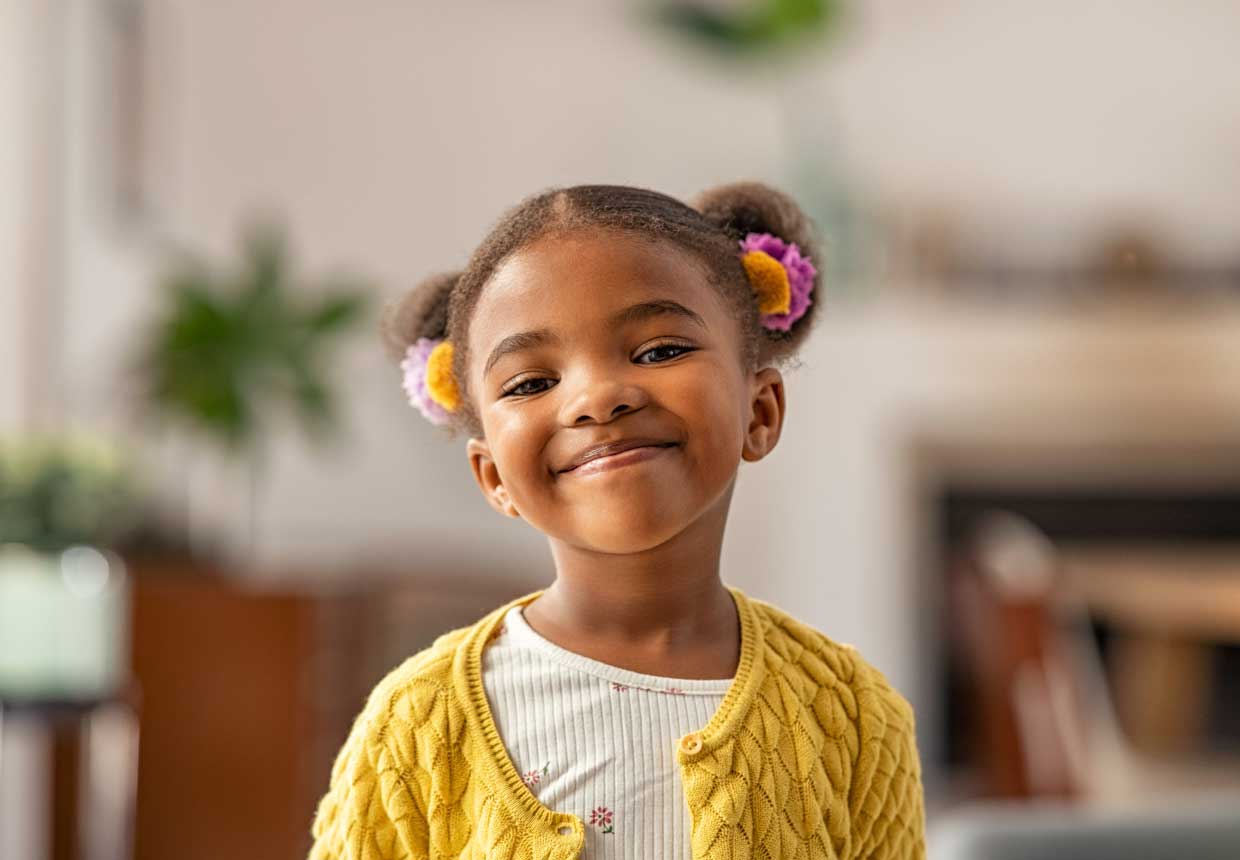
Happy, Sad, Mad
Children experience lots of different feelings. Every feeling has its own name. But each child feels and shows their feelings in different ways.
 CaregiverActivity
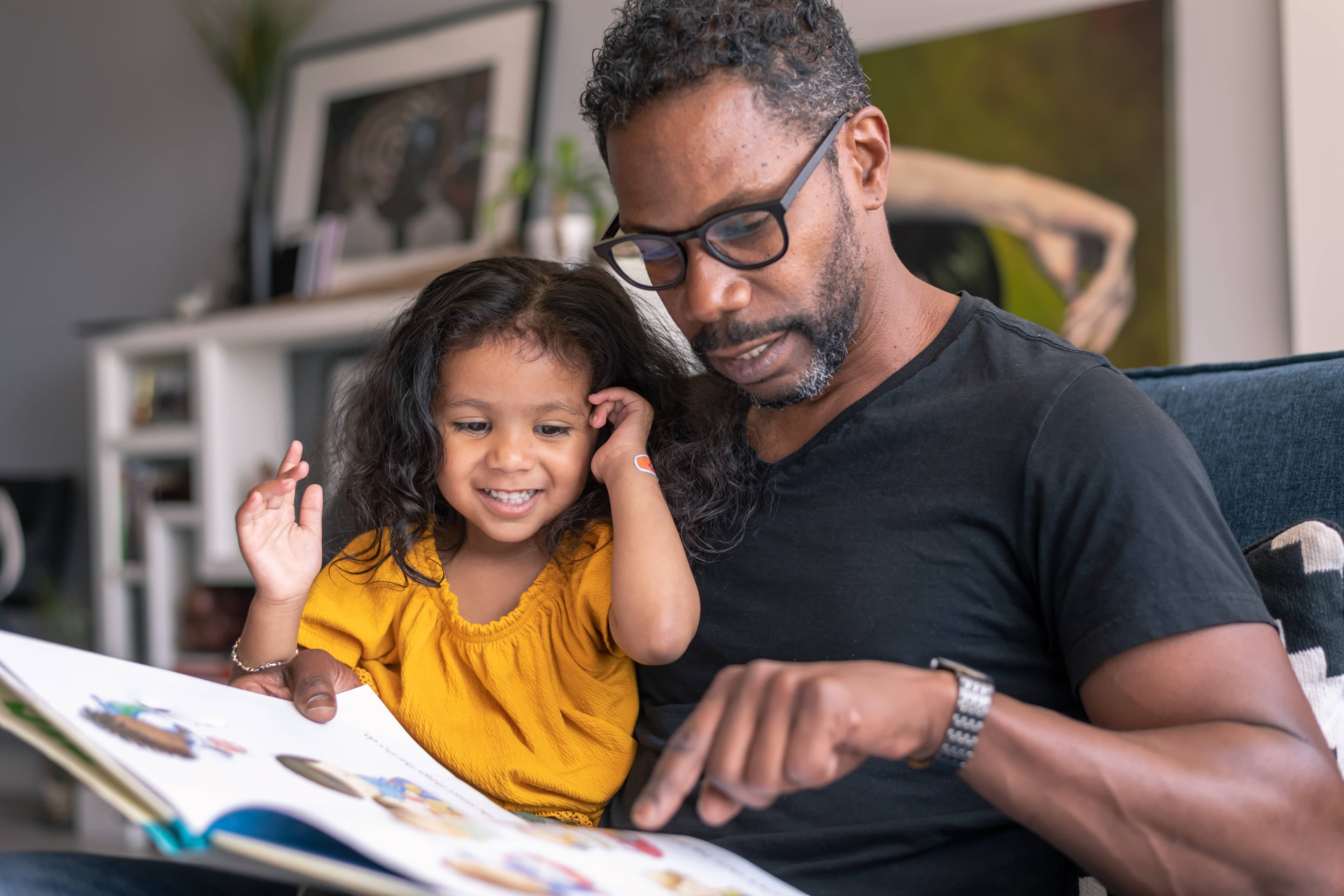
Stories Full of Feelings
Books are great tools to support young children’s social-emotional learning. The characters in the stories introduce many different feelings and ways of being a good friend or helper. And many stories also share creative ways of problem-solving.
 EducatorGuide
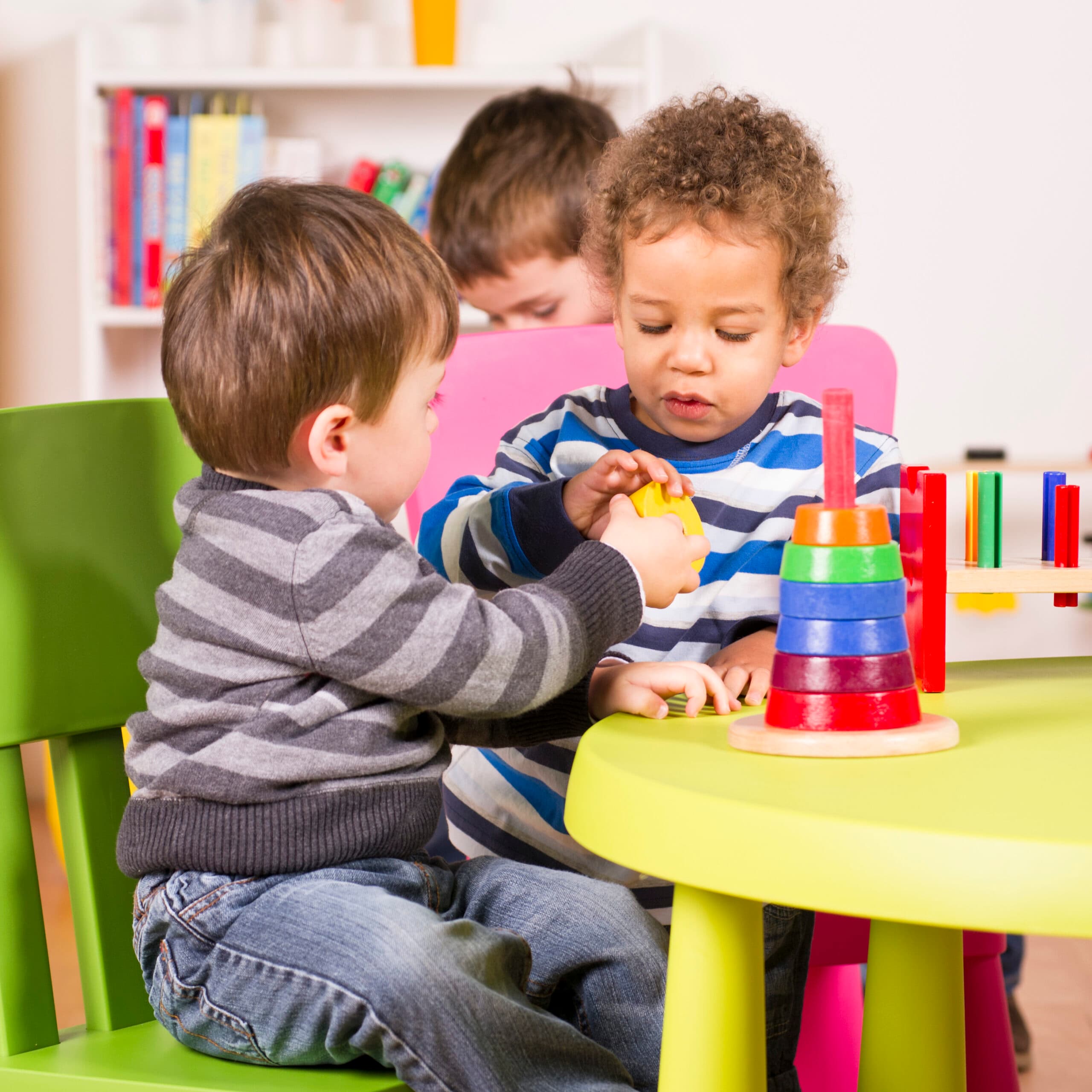
Me, You, We – Playgroup Guide
Playgroup structure to maximize social-emotional learning during your playgroup.
 CaregiverActivity
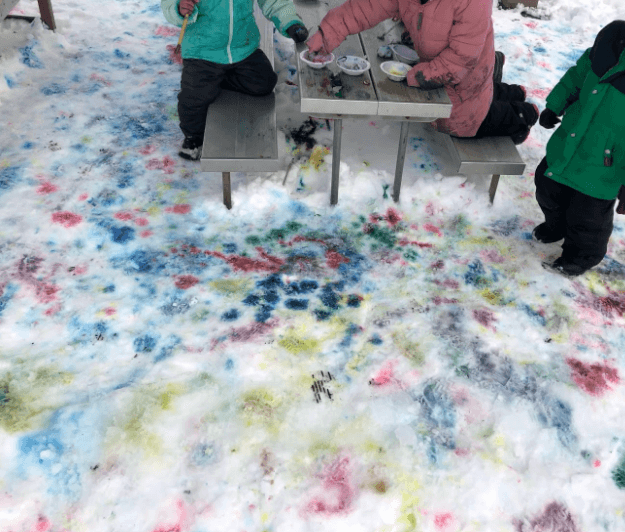
Painting Snow
Children can paint freely across a unique surface and see where their ideas take them. Experiencing textures and temperatures you feel, like the hard ground, cold snow, and frozen, slippery ice.