Toddler Playtime with Lots of Toys
Sometimes you might be too tired or too busy to play. Other times your child might not want to play with you. That’s okay. Just being together while you each do your own thing shows that you care about your child. And doing things on their own is part of growing up!
- Audience
- Caregiver
- Subject
- Open-Ended Play
- Age
- Toddler
- Languages
- EnglishHaitian CreoleSpanish
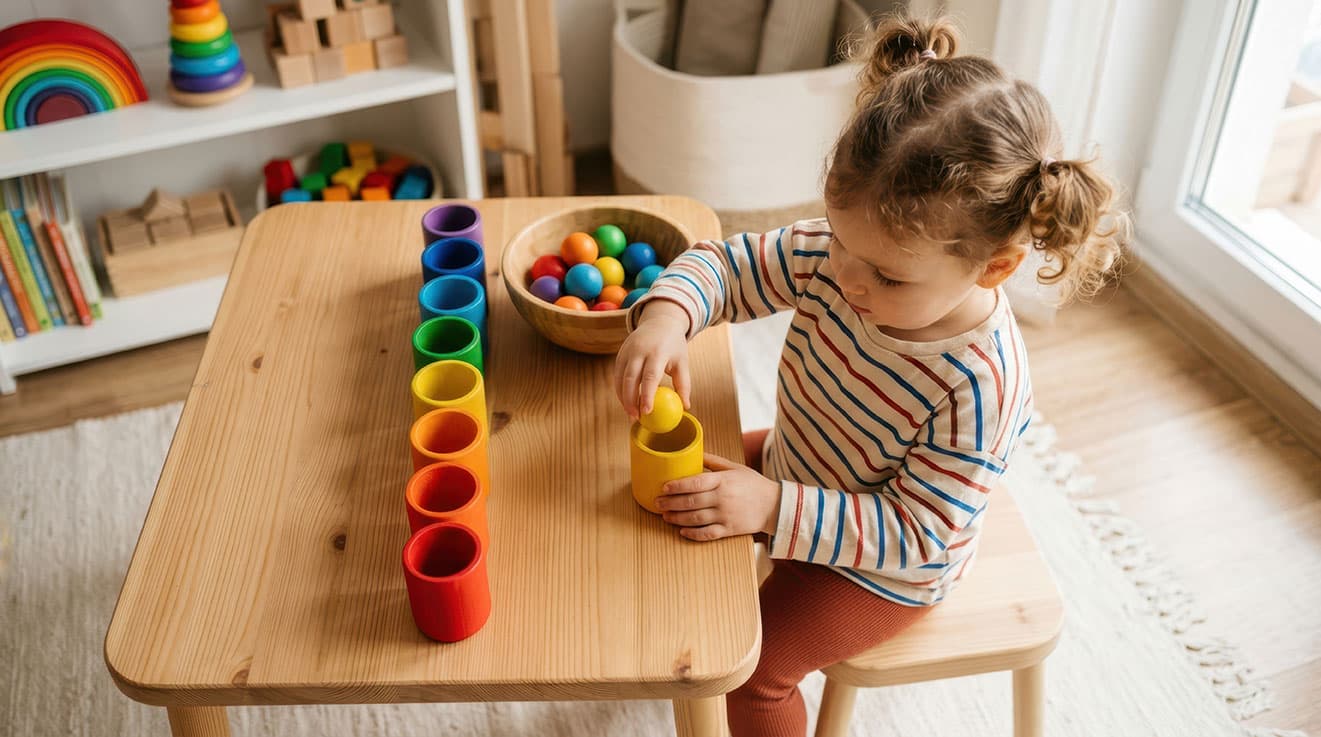
Play is a natural way to support the parent-child bond. Try engaging your toddler in playtime with lots of toys!
Get ready
Clear some space on the floor and sit down. Put out two or more different types of toys in front of you. Smile at your child and say, “Hmmm… what should we do with these?”
Try this!
Just play
See how your child chooses to play with different types of toys. Do they put the scarves inside the cups? Or cover the stuffed animal with a scarf, like a blanket? Say what you see them doing. “You put the cup on Bear’s head, like a hat!”
Knock it down
Work together to stack two or more cups on top of each other. Roll a ball to knock the cups down. “Crash!” Try again. “Let’s build a taller tower!”
Tea party
Put a scarf on the floor as a picnic blanket. Pour some pretend tea into the cups. “Would you like some tea?” Offer a cup to your child and a cup to the stuffed animal. What kind of tasty pretend snack could the balls be?
Safety tip!Before you play with a ball inside, look around and put away anything that might fall or break if the ball hits it.
Let your child pick other toys they have to add to their play, like blocks or cars. Or offer them some clean things from your recycling bin, like toilet paper tubes and egg cartons.
While you play...
Watch carefully. How does your child choose to play? The choices they make can show you a lot about what they are interested in. Do they like to build? Or play pretend? Or do they bounce from one way of playing to another to try everything out?
Practice together. Sometimes your child might have trouble getting a toy to work the way they want it to. Practice thinking together. “I see that the ball is too big for cup. What else could you try?” Give them some time to think before you offer an idea. “Maybe try a smaller ball?”
Say, “Yay!” Some ideas your child has might seem silly to you as an adult. You know that a ball is not an apple—and your child knows that too! But you can pretend together. “Good idea! That looks yummy!”
Related Resources
 CaregiverActivity
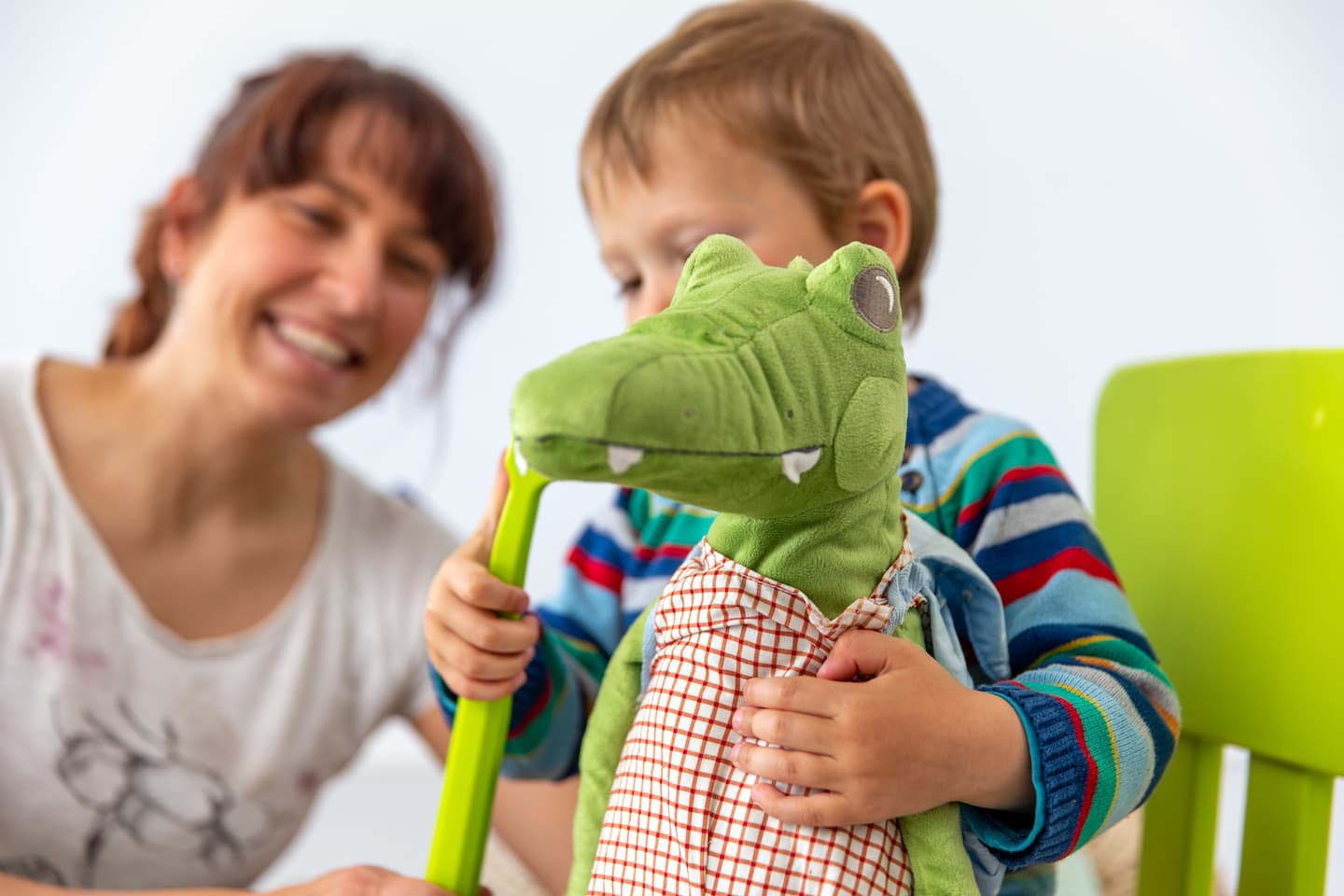
Toddler Playtime with a Stuffed Animal
You show your child you care when you play with them, make them lunch, put a band-aid on for them, and say “I love you.” Your child notices your caring actions and practices them too.
 CaregiverActivity
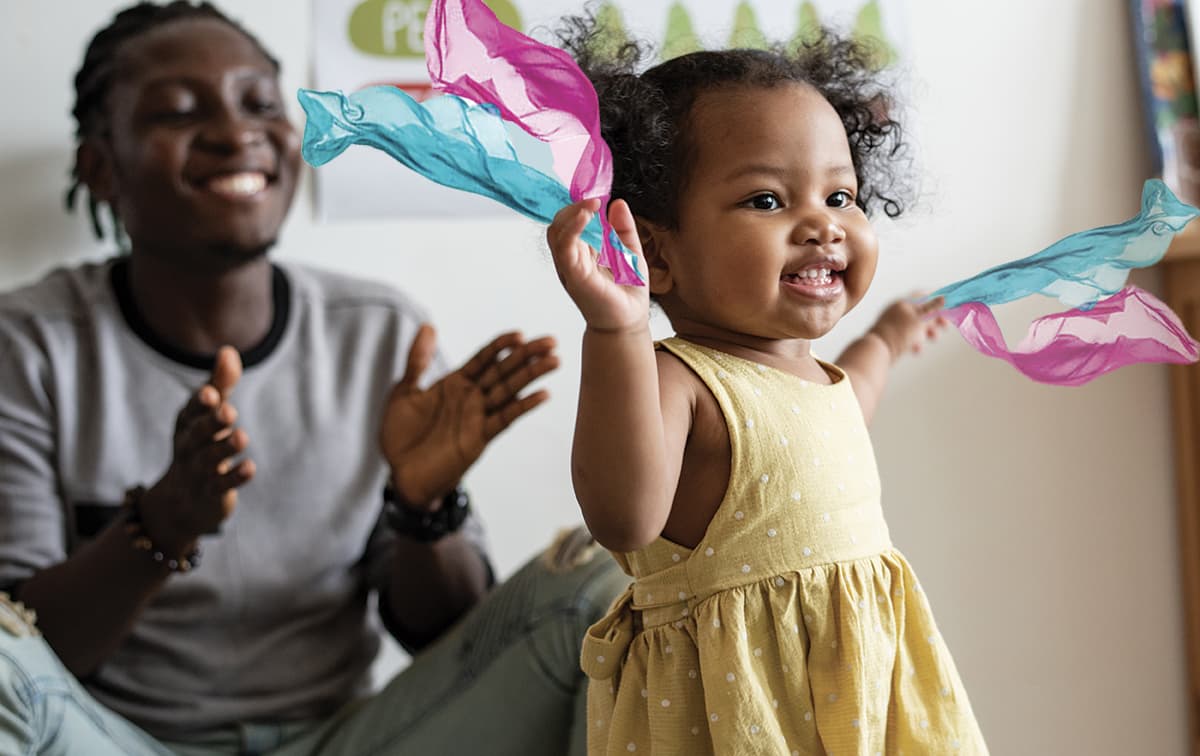
Toddler Playtime with Scarves
Having a good time together helps make your relationship with your child stronger. Be silly—you can wear a scarf as a hat or do funny dances. Take turns. Make mistakes together. And laugh a lot!
 CaregiverActivity
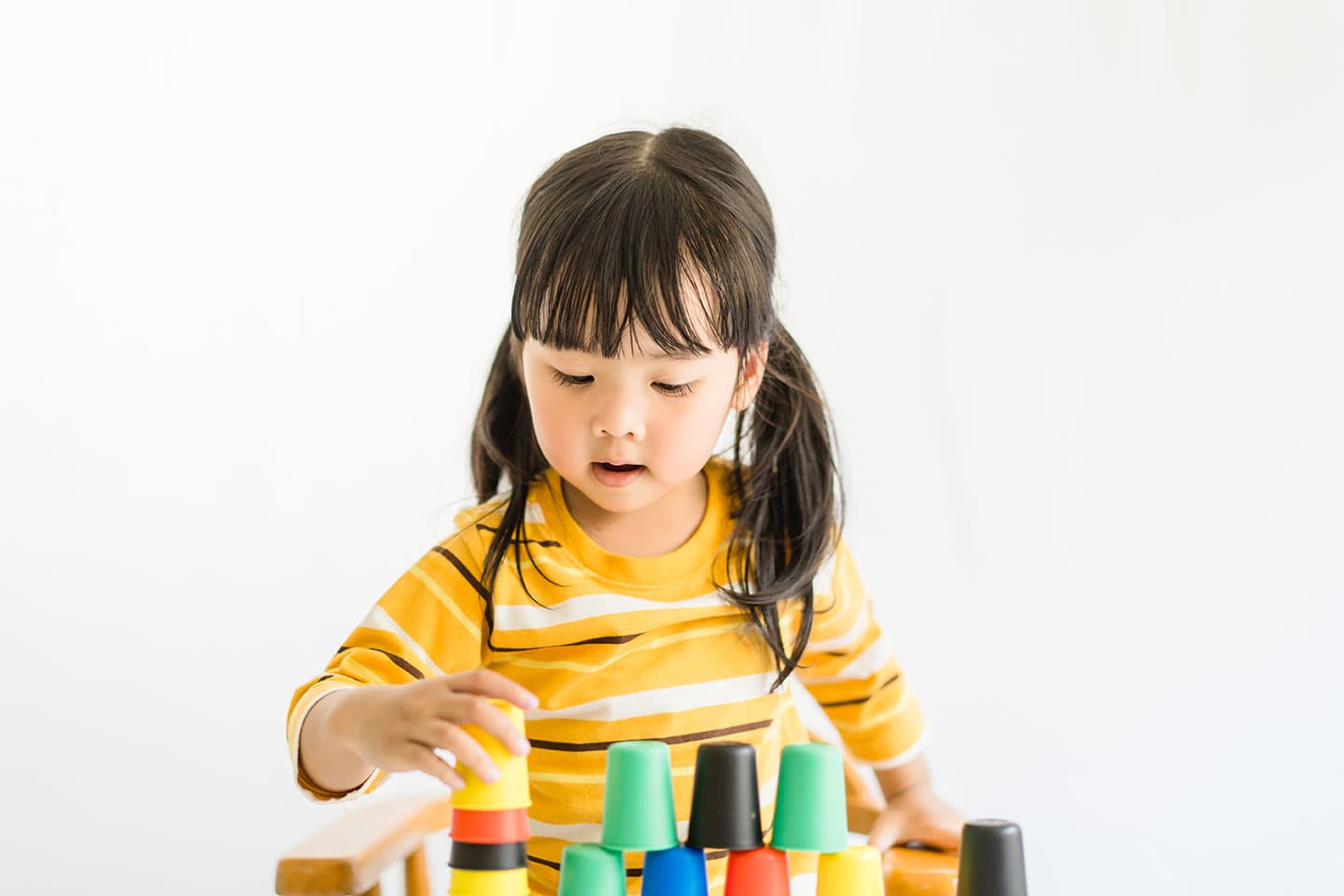
Toddler Playtime with Cups
Children can do so many different things with cups. A good way to connect with your child is to focus on what they are doing and what they are interested in. Watch their play. Point at what they are doing. And talk together—even before they have lots of words.
 CaregiverActivity
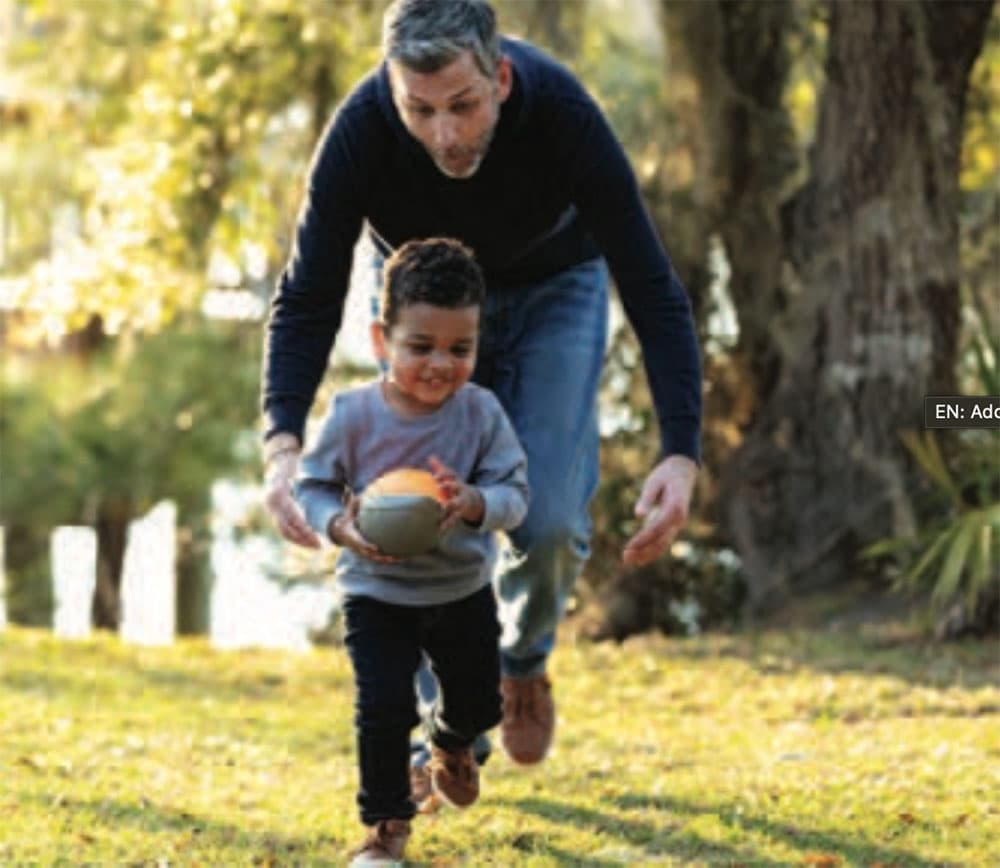
Toddler Playtime with a Ball
It takes two (or more) people to play catch. And one of the best ways to bond with your child is to play together. You and your child can both learn a lot from spending time with each other.
 CaregiverActivity
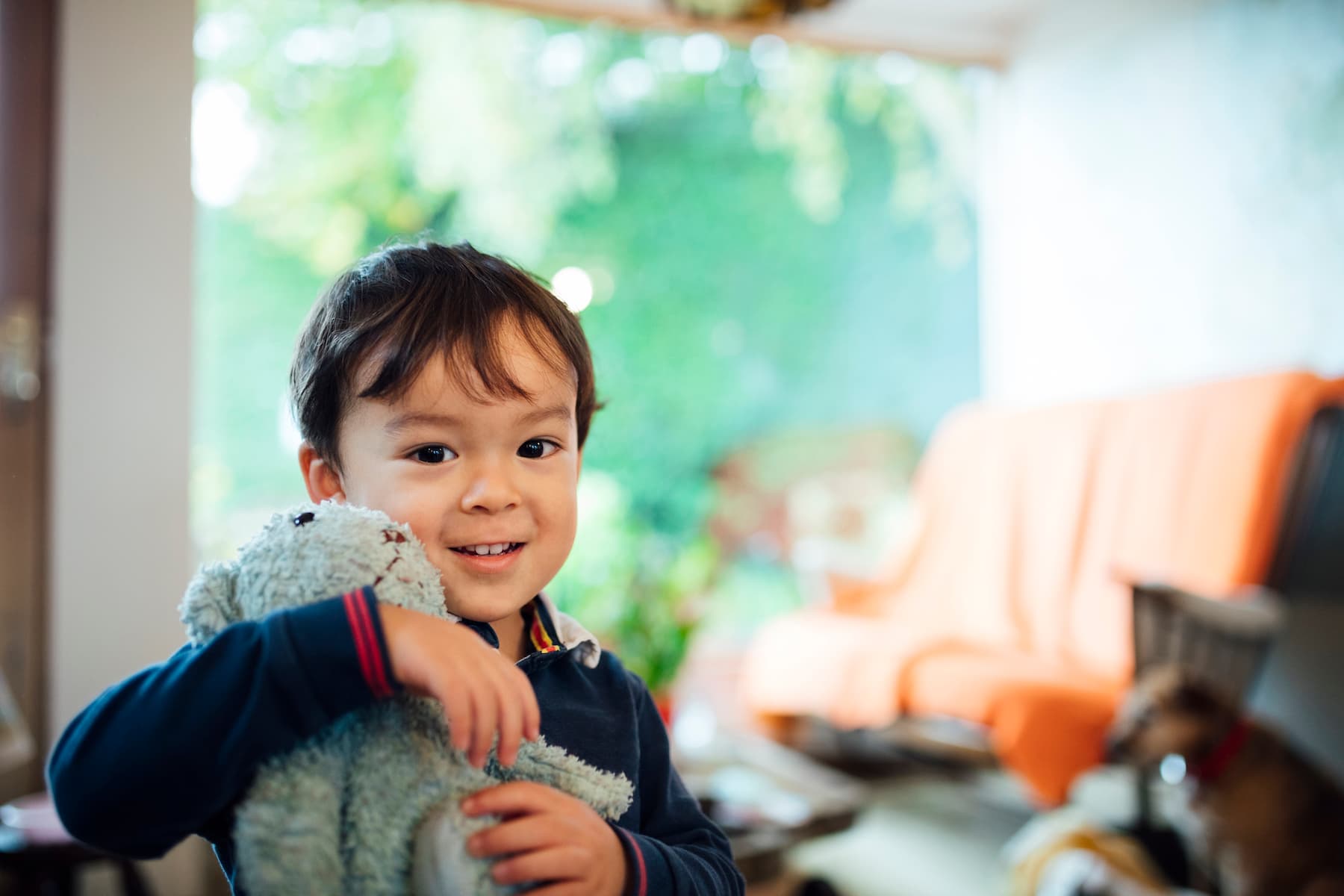
Preschooler Playtime with a Stuffed Animal
Giving your child time on their own is important for both of you. Your child might want to play with or talk to their stuffed animal—and not you. That’s okay! Watch, wait, and listen. Be ready when it is your turn to play again.
 CaregiverActivity
Infant Playtime with a Stuffed Animal
You are the first person your baby connects with. Some babies take a long time to feel comfortable with others. A stuffed animal is a nice first friend that you and your baby can play with together.
 CaregiverActivity
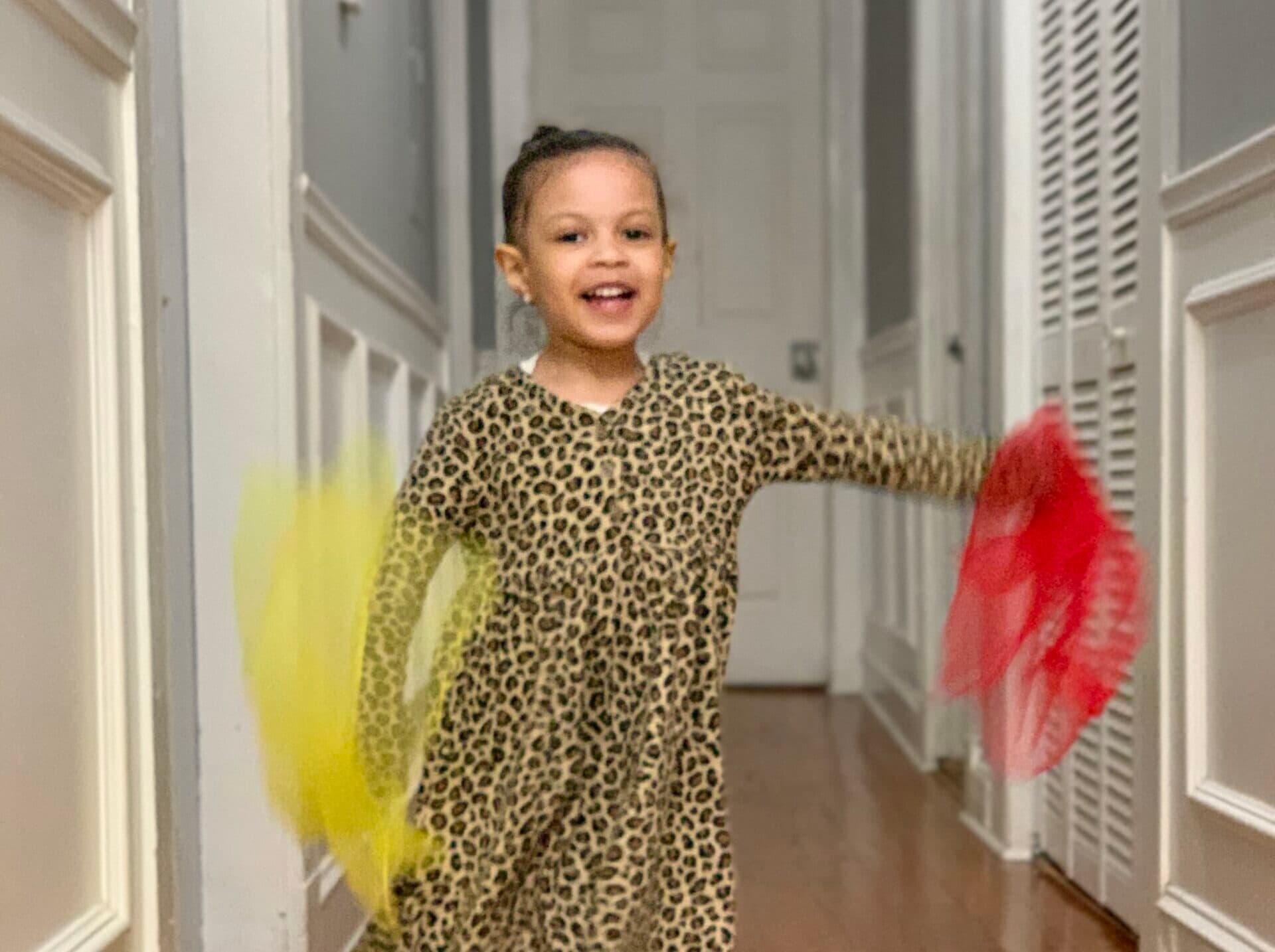
Preschooler Playtime with Scarves
Sometimes you and your child might want to run. Other times you might need quiet moments together. Scarves are great for both types of play. Having a good time together helps make your relationship with your child stronger.
 CaregiverActivity
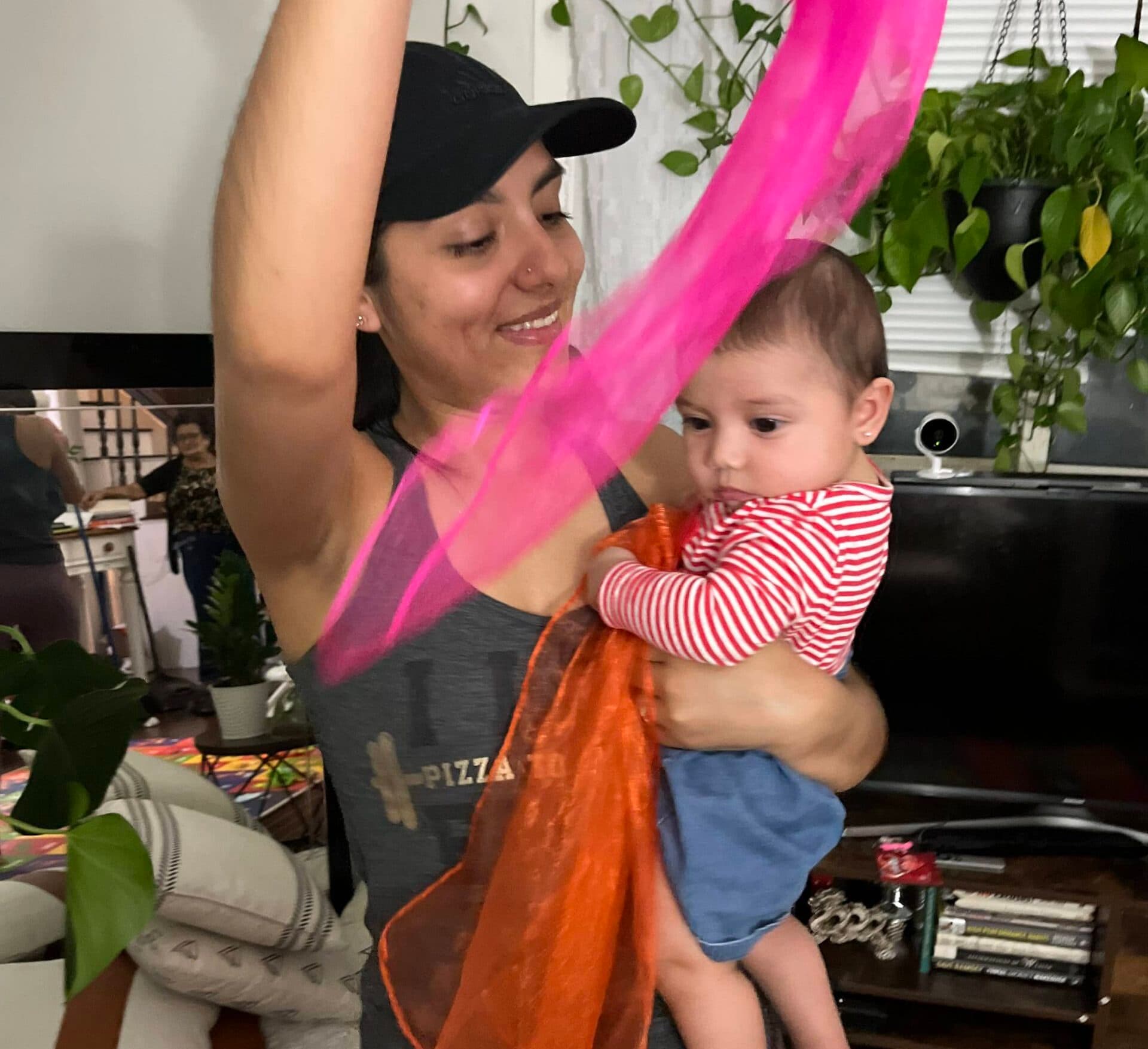
Infant Playtime with Scarves
Playtime can often be exciting, but it is important to have calmer ways to play too. You can use scarves for both types of play. If your baby has a lot of energy, play with the scarves with lots of movement. If your child is just waking up or getting tired, play with the scarves more gently.