Preschooler Playtime with a Stuffed Animal
Giving your child time on their own is important for both of you. Your child might want to play with or talk to their stuffed animal—and not you. That’s okay! Watch, wait, and listen. Be ready when it is your turn to play again.
- Audience
- Caregiver
- Subject
- Open-Ended Play
- Age
- Pre-KPreschool
- Languages
- EnglishHaitian CreoleSpanish
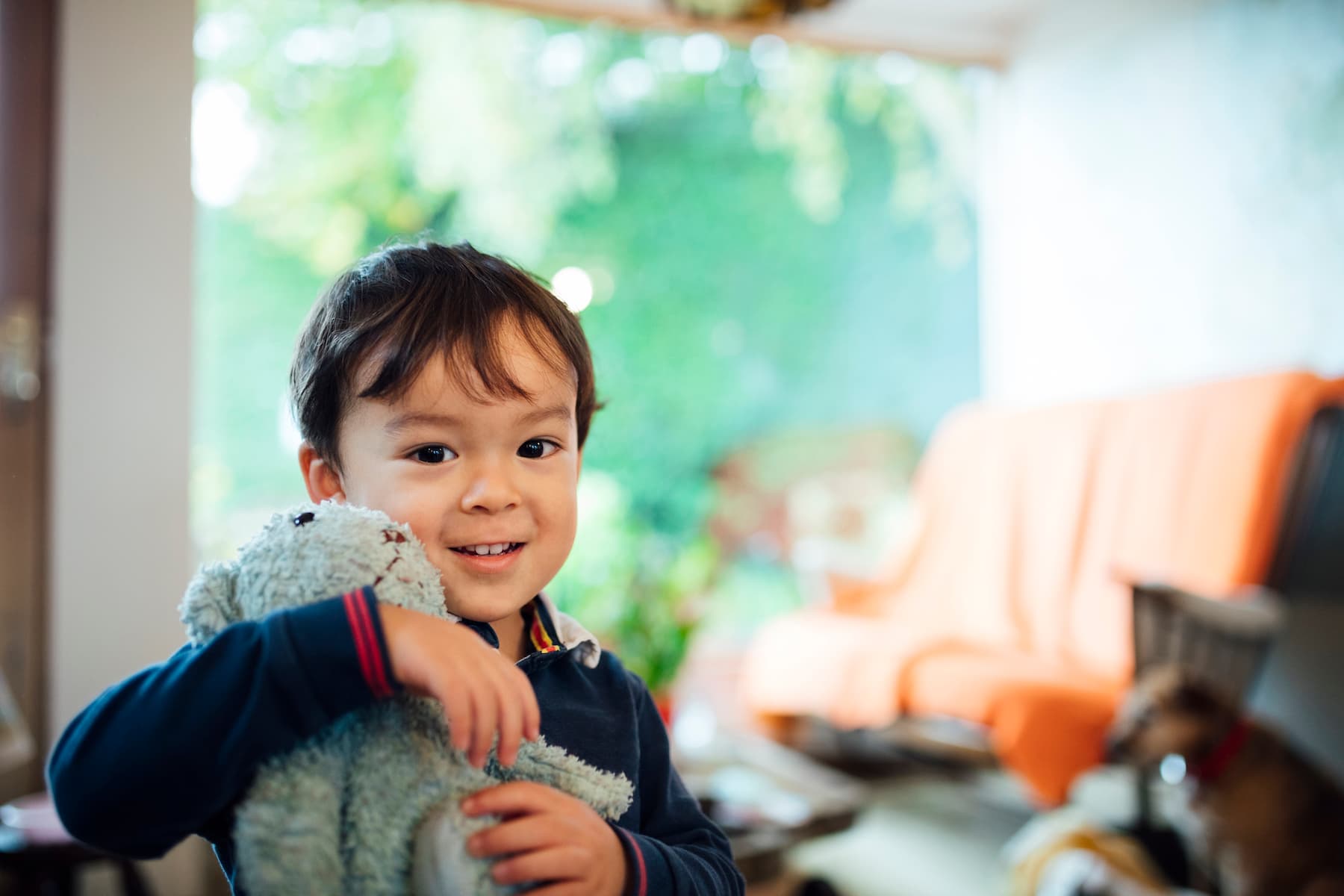
Play is a natural way to support the parent-child bond. Try engaging your preschooler in playtime with stuffed animals!
Get ready
Clear some space on the floor and sit down with a stuffed animal. Make the animal hop over to your child and say, “Let’s play!”
Try this!
Story time
Invite your child to read a book to you and a stuffed animal. Encourage them to turn the pages and tell parts of the story. Say, “Bear wants to know what will happen next!” Your child may not be reading the words yet, but they can tell the story by looking at the pictures.
Play school
Encourage your child to play “school.” They may want to be the teacher. And you and the stuffed animal can be the children. “Bear and I are hungry. Is it time for snack?” Help your child guide you through the day.
Dance party!
Sing a song or play music on your phone. Dance with your child and a stuffed animal. Pick a slower song and change your dance moves to match. Then pick a faster song. What dance moves are good for fast songs?
Sometimes your child might be rough with a stuffed animal. That’s okay. As they get older, help them think about why they are playing that way. “I see that you are not treating Bear very nicely right now. Are you feeling upset?”
While you play...
Watch carefully. Is the stuffed animal excited or worried about school? Is it scared to go to bed by itself? Your child’s play can tell you a lot about what they might be thinking and feeling.
Practice together. A stuffed animal can be a great friend to your child. If you see your child is feeling upset, give their stuffed animal a hug. “That hug made me feel better. Thank you, Bear!” Hand the stuffed animal to your child—they might want to hug it too.
Say, “Yay!” Notice when your child says or does something nice for their stuffed animal. “You told your stuffed animal, ‘I love you.’ That’s a kind thing to say!”
Related Resources
 CaregiverActivity
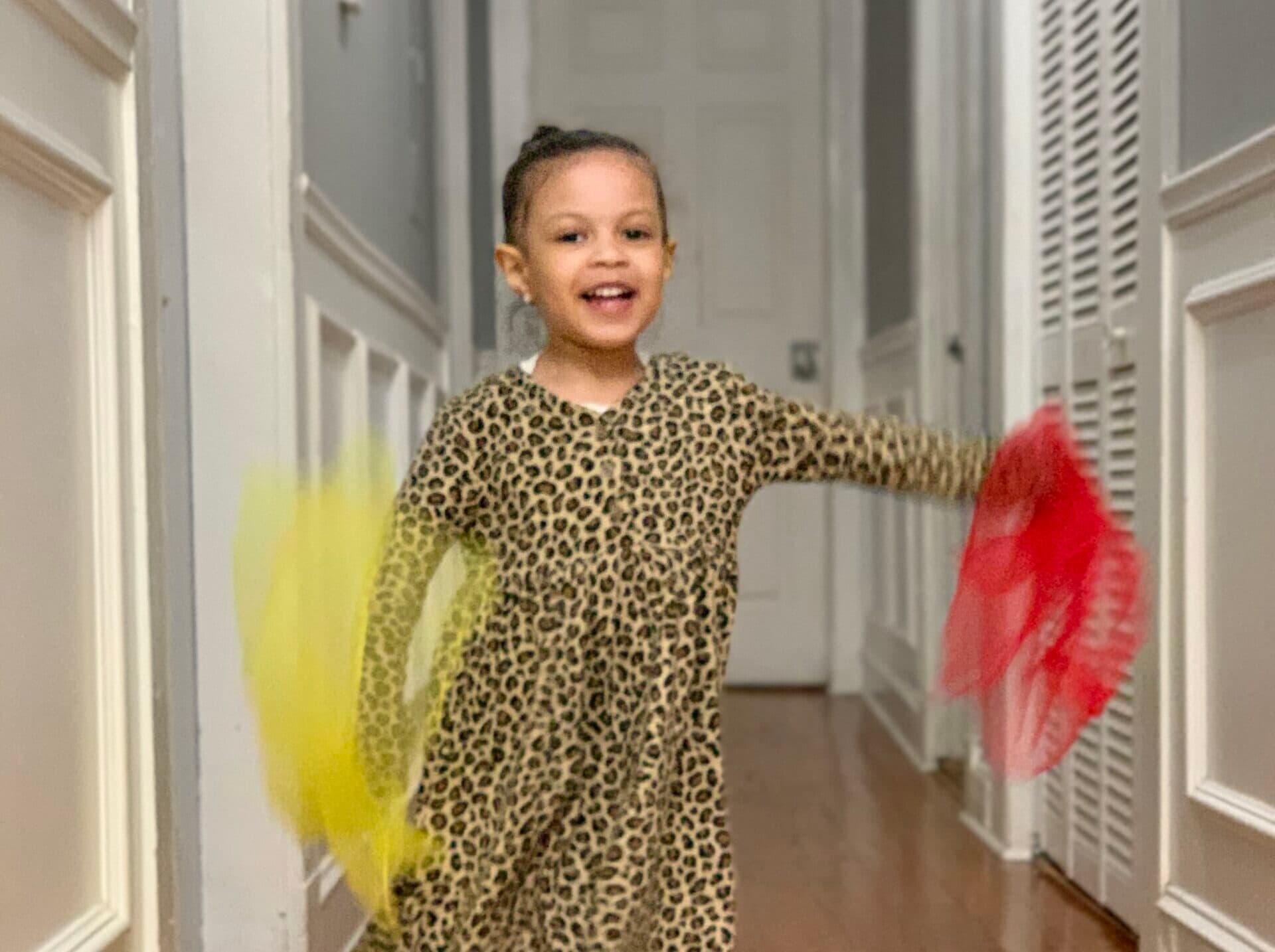
Preschooler Playtime with Scarves
Sometimes you and your child might want to run. Other times you might need quiet moments together. Scarves are great for both types of play. Having a good time together helps make your relationship with your child stronger.
 CaregiverActivity
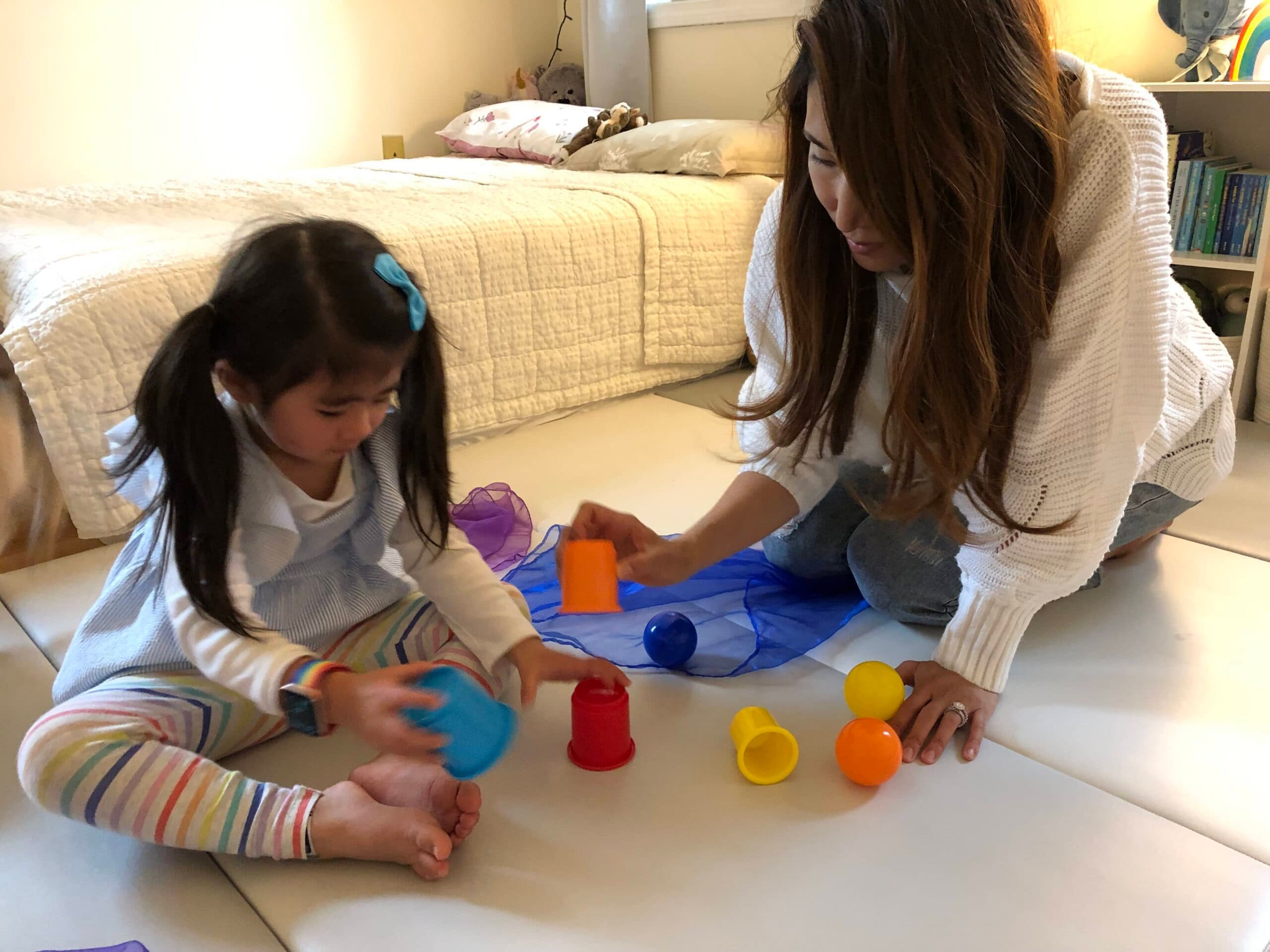
Preschooler Playtime with Lots of Toys
Sometimes it is good to play with the same thing again and again. Other times it is nice to try something new. Mixing different types of toys together can help make playtime more exciting for both you and your child.
 CaregiverActivity
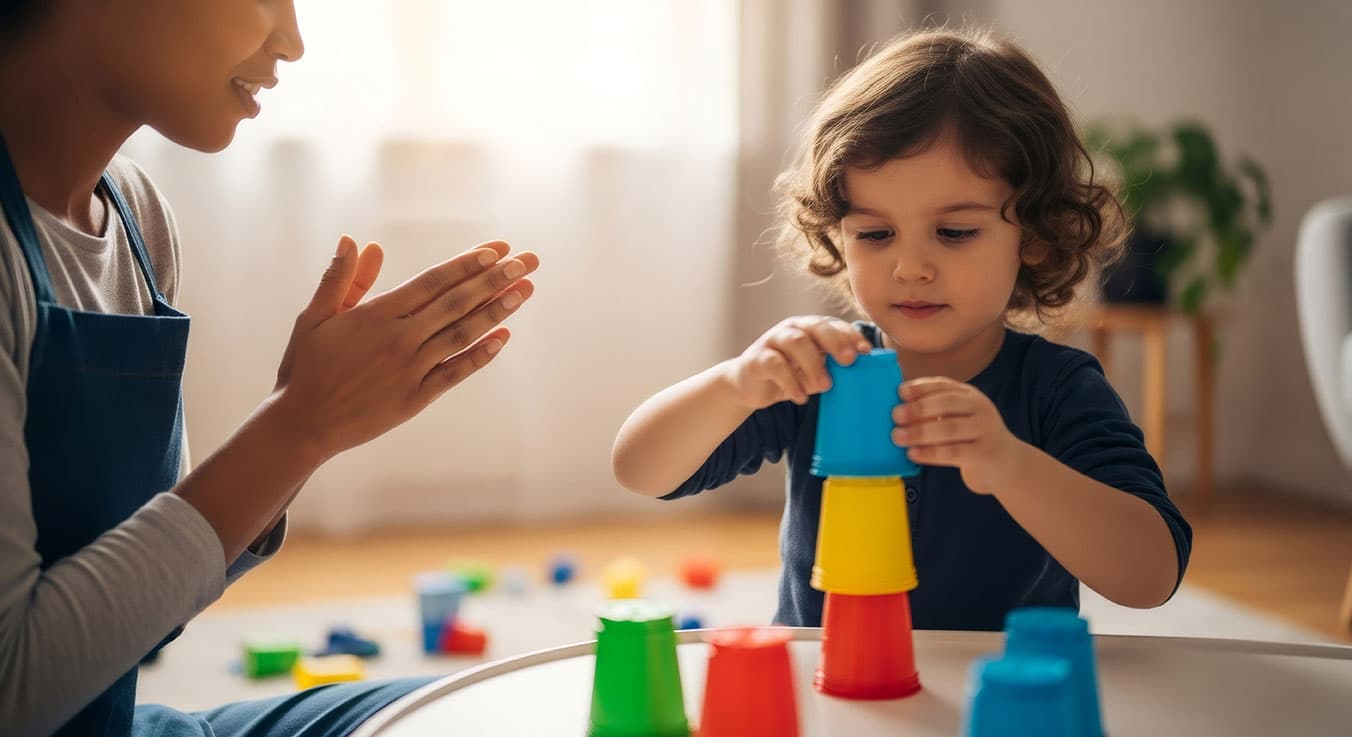
Preschooler Playtime with Cups
As your child gets older, something as simple as cups can still be a great toy. Use playtime as a way to have a conversation. Ask your child what they are doing. Then ask more questions. Your child will love that you are interested in them!
 CaregiverActivity
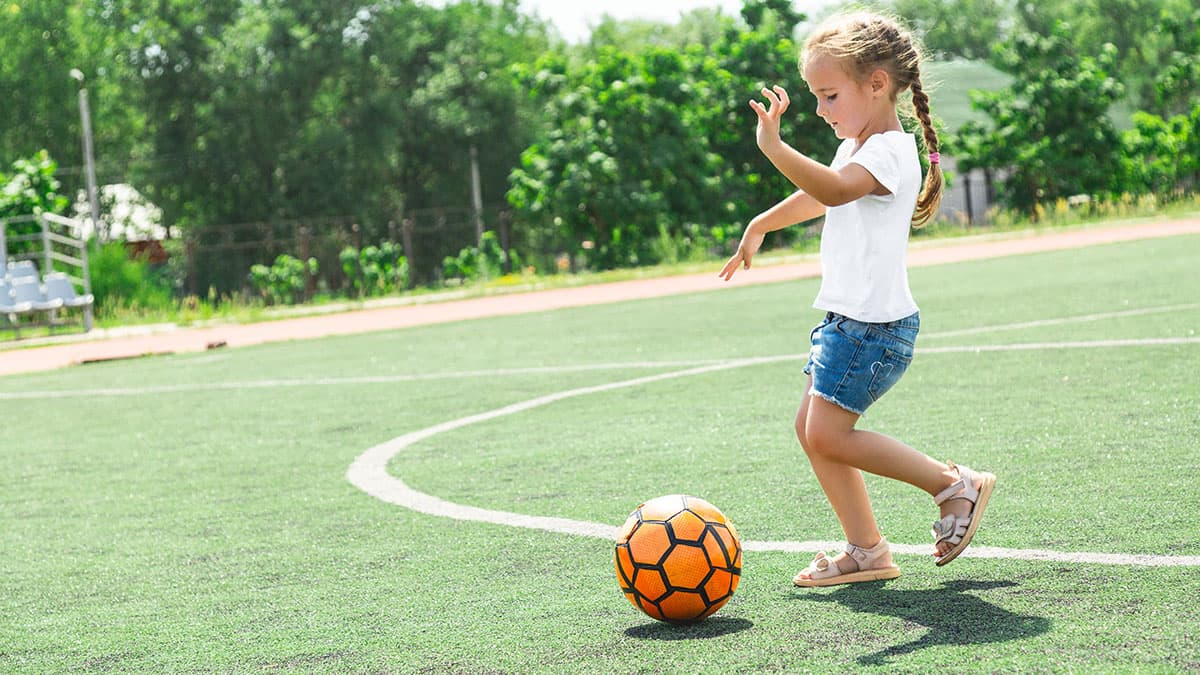
Preschooler Playtime with a Ball
Learning what your child likes and dislikes is an important part of your relationship. Your child might like soccer or basketball. Or they might like making up their own games. They also might like different things than you. Try to find something you both like playing together.
 CaregiverActivity
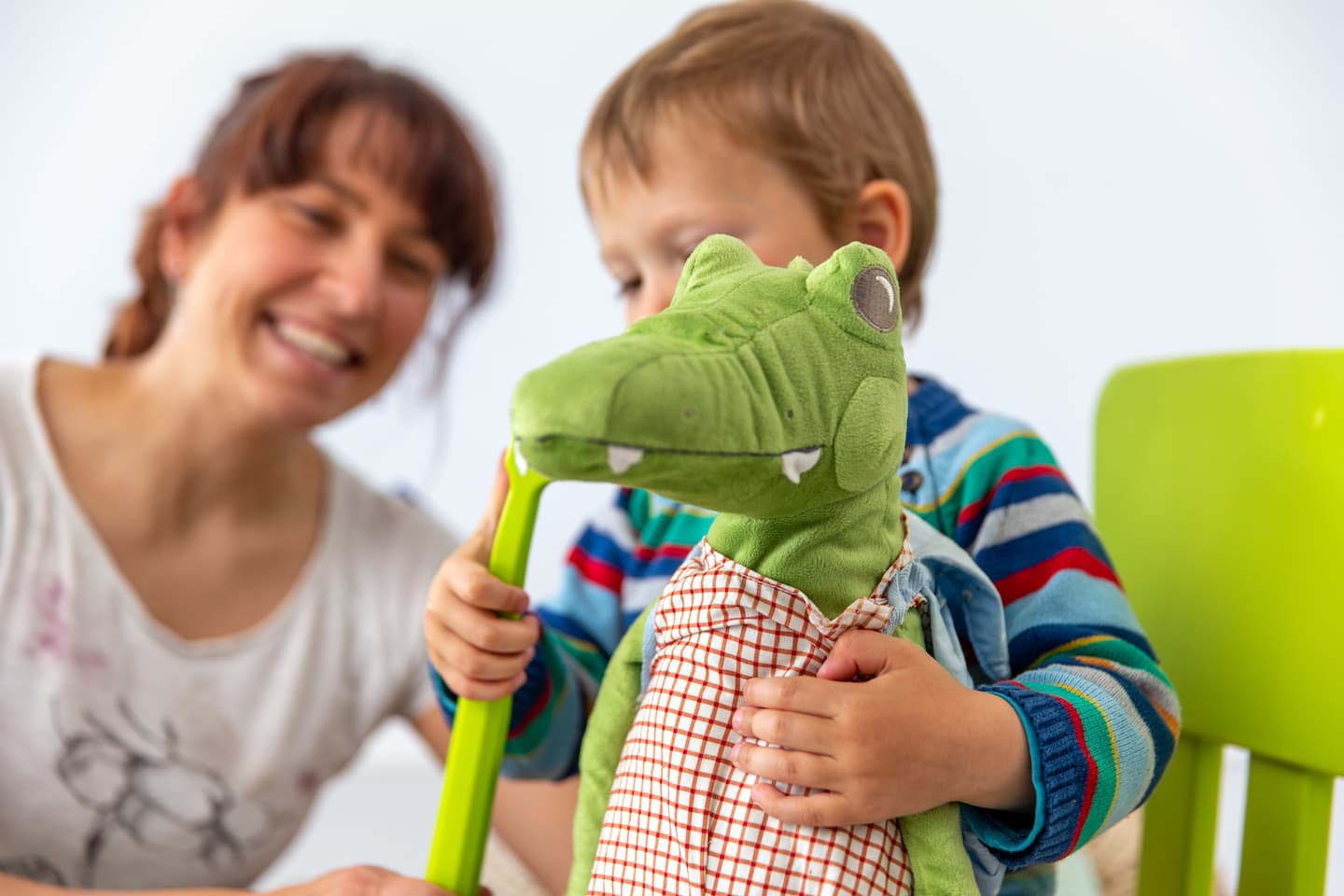
Toddler Playtime with a Stuffed Animal
You show your child you care when you play with them, make them lunch, put a band-aid on for them, and say “I love you.” Your child notices your caring actions and practices them too.
 CaregiverActivity
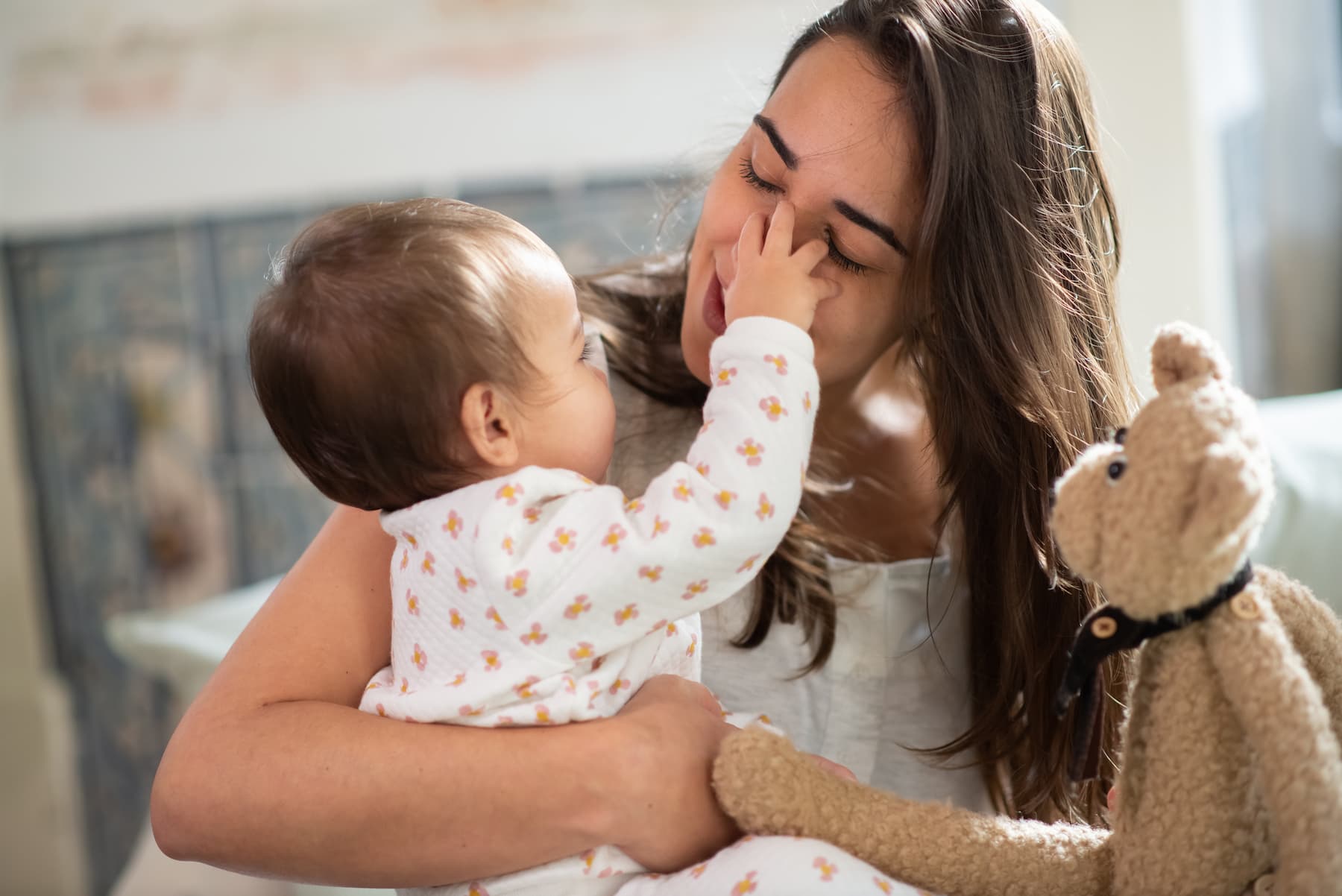
Infant Playtime with a Stuffed Animal
You are the first person your baby connects with. Some babies take a long time to feel comfortable with others. A stuffed animal is a nice first friend that you and your baby can play with together.
 CaregiverActivity
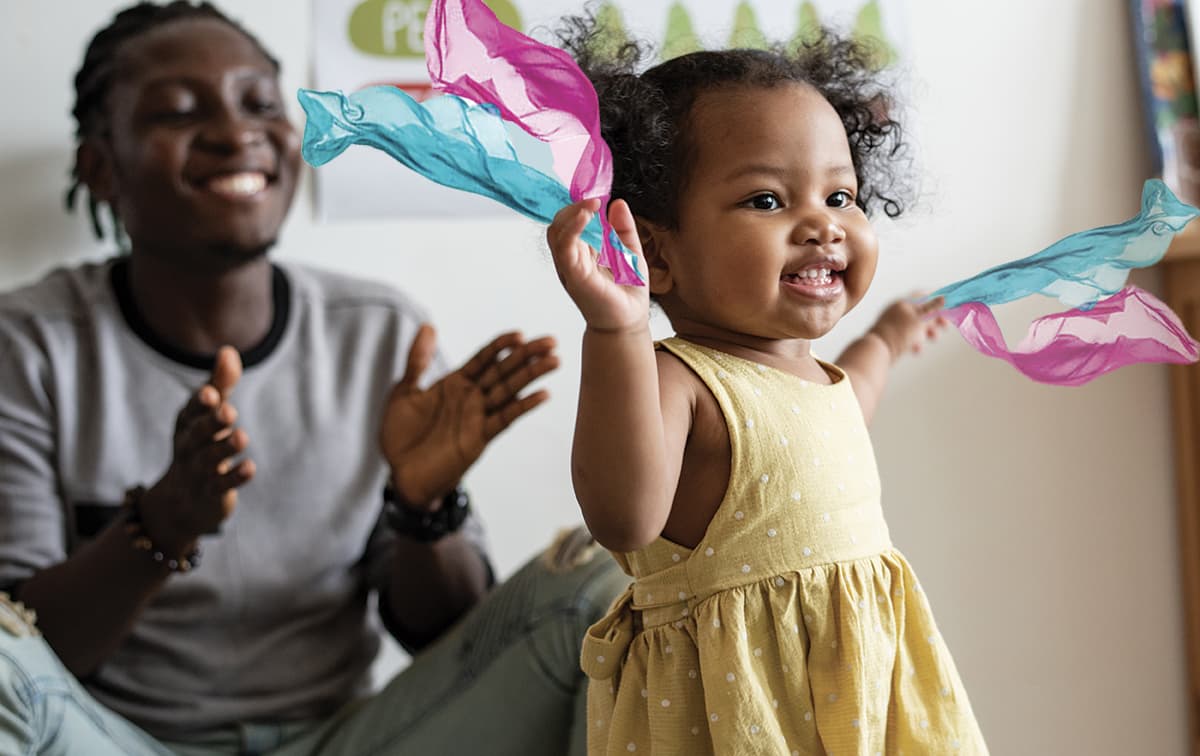
Toddler Playtime with Scarves
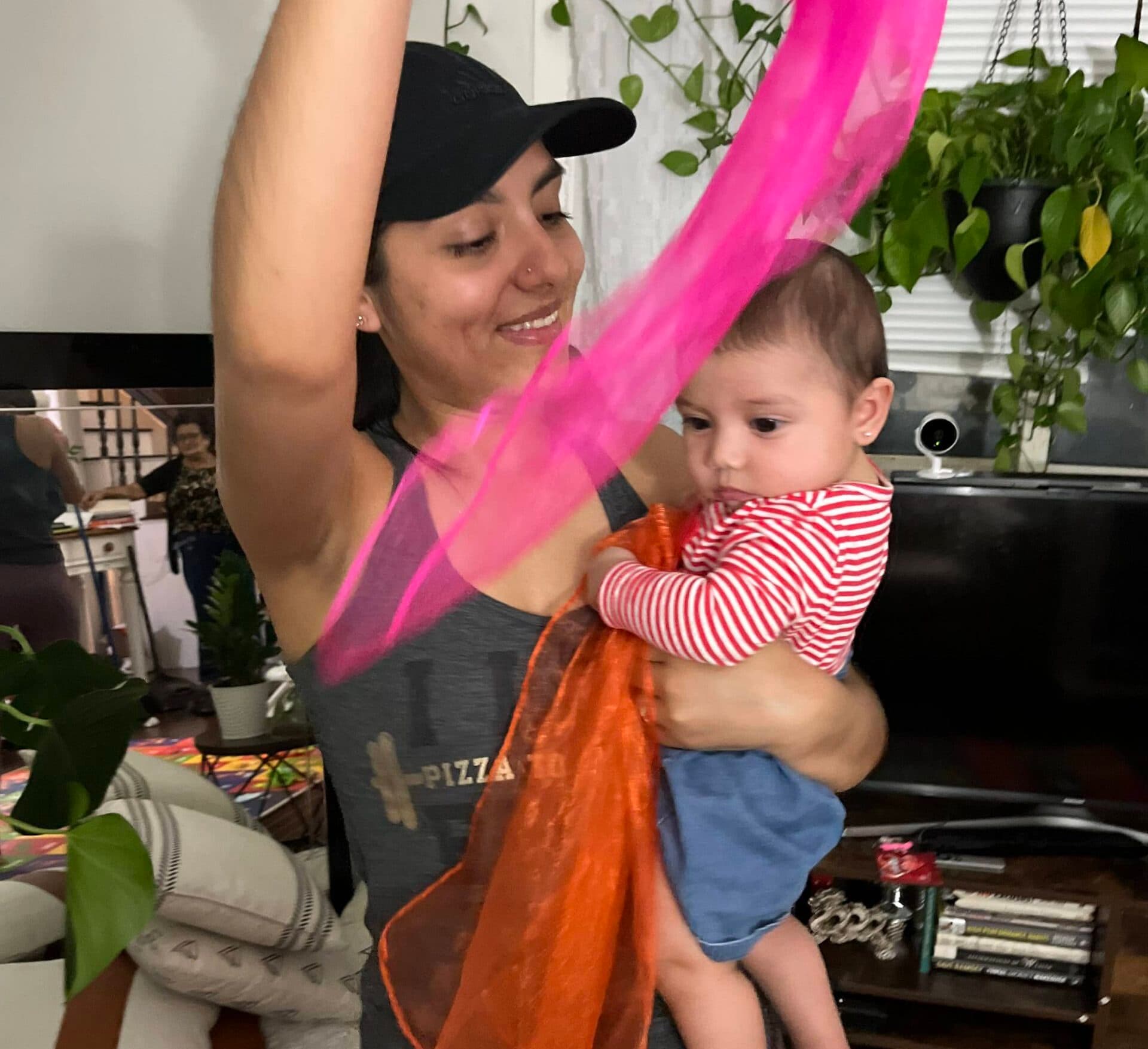
Having a good time together helps make your relationship with your child stronger. Be silly—you can wear a scarf as a hat or do funny dances. Take turns. Make mistakes together. And laugh a lot!
 CaregiverActivity
Infant Playtime with Scarves
Playtime can often be exciting, but it is important to have calmer ways to play too. You can use scarves for both types of play. If your baby has a lot of energy, play with the scarves with lots of movement. If your child is just waking up or getting tired, play with the scarves more gently.