On Our Way to School
School readiness for children ages 2 to 5 and their adults!
Children aged 2-5 are just starting to develop the skills that will help them feel confident and successful when they enter school. For many children, starting school is a big change! It might be the first time they are away from family for a long period. Spending time with other children their age might be a new experience, too.
- Audience
- CaregiverEducator
- Subject
- School Readiness
- Age
- KindergartenPre-KPreschoolToddler
- Languages
- Brazilian PortugueseEnglishHaitian CreoleSimplified ChineseSpanish
Resources in the On Our Way to School collection
 CaregiverActivity
All About Me
Starting school is exciting! But it might also feel a little scary. Children can start to connect with their new friends at school by talking about themselves and their families.
 CaregiverActivity
Let’s Be Friends
Children spend lots of time with friends at school. Being kind and understanding others’ feelings helps children have positive interactions.
 CaregiverActivity
I Can Listen
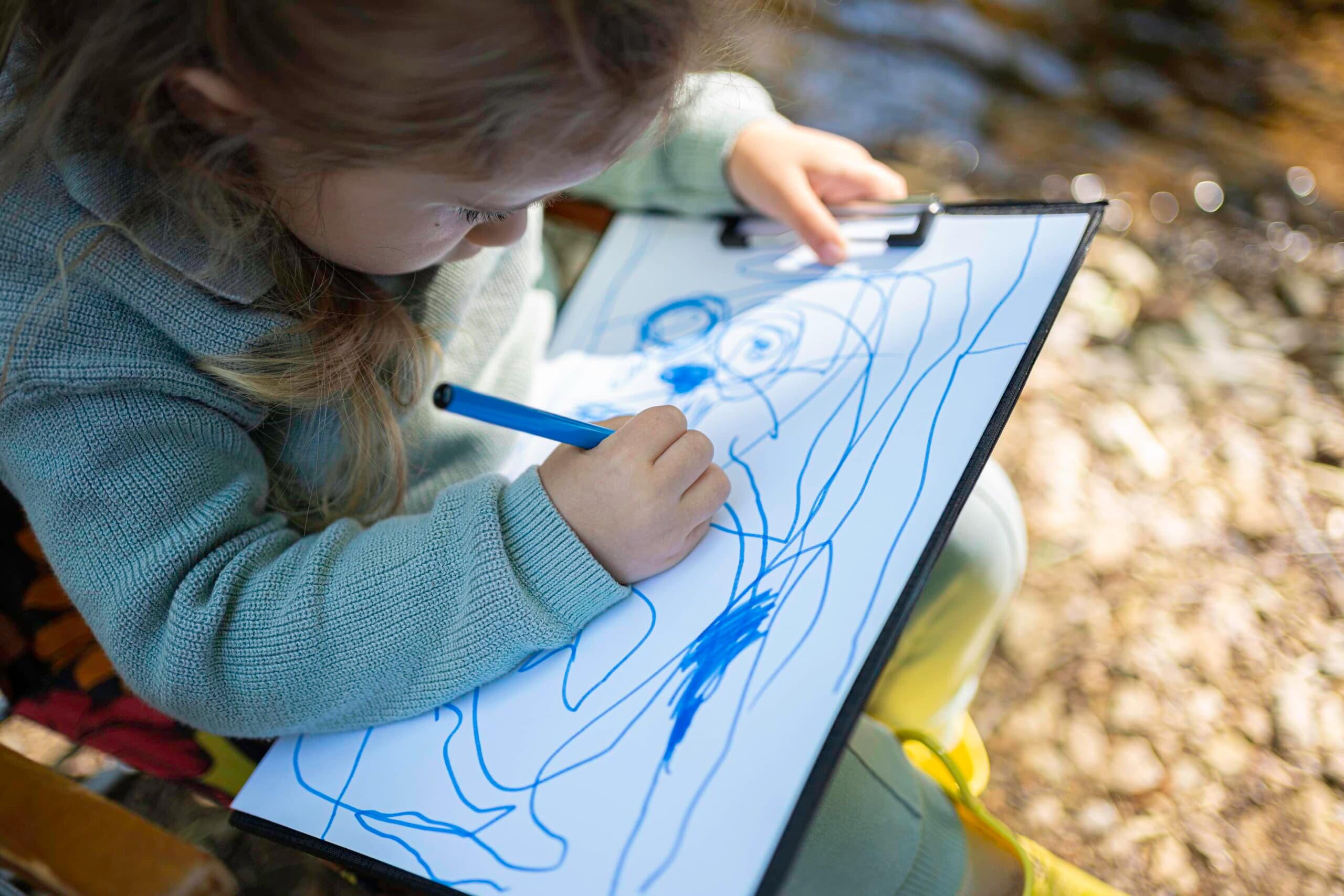
Listening to and following directions happens throughout the school day. A typical school day includes circle time or morning meetings, where the class learns what happens during the day. During activities, they need to know what steps to follow. These skills help children feel like part of the group. When children feel that they belong, it’s easier to make friends, work together, and be ready to learn in school.
 CaregiverActivity
I Am Patient
Patience is about learning to wait for a turn, be with the group, and stay calm. These skills help children join class activities and make friends.
 CaregiverActivity
I Can Do It
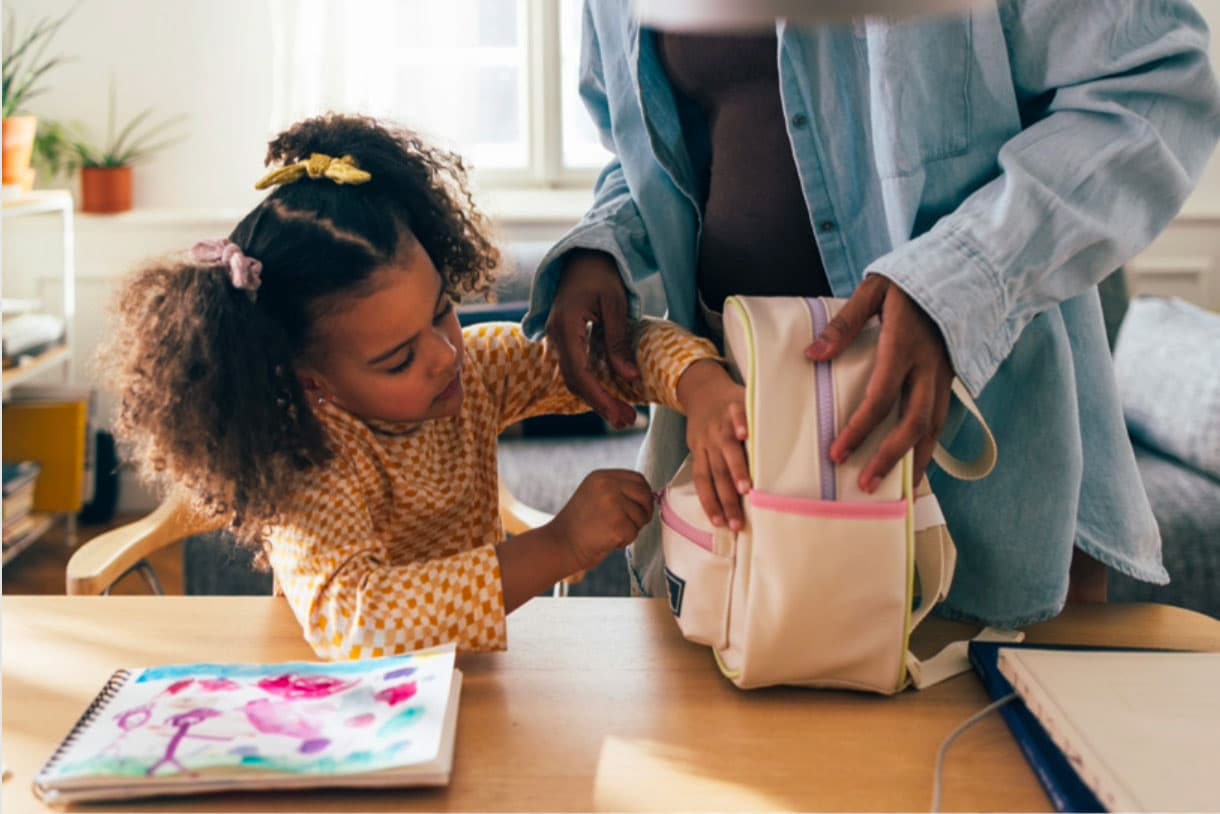
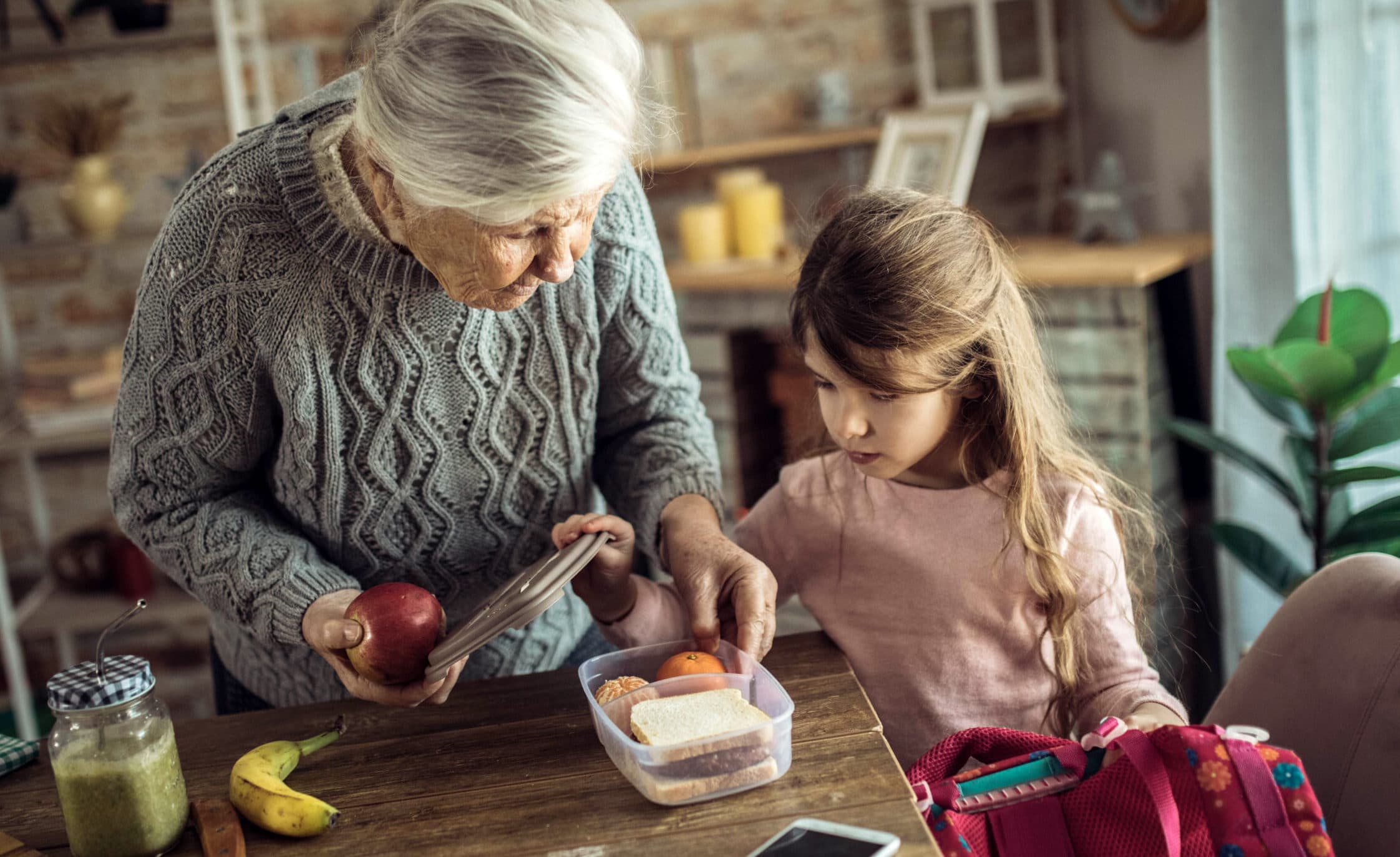
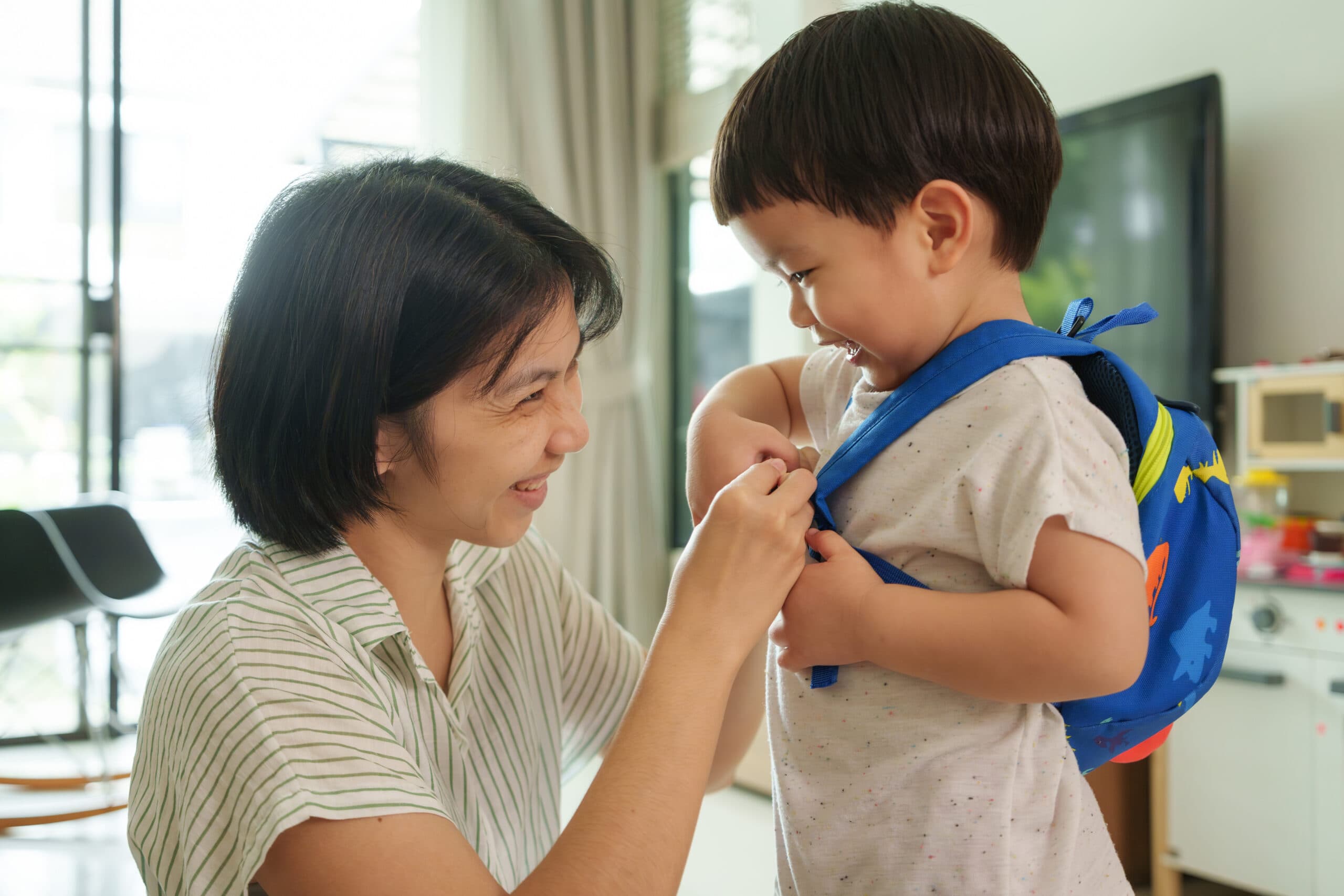
At home, children can often get one-on-one help with what they need. At school, teachers have many children to care for and may not be able to assist right away. This is why it is important for children to learn to do tasks like zip jackets, put on shoes, and open snack containers. These everyday tasks use fine motor skills—small movements of the fingers, hands, and wrists.
 CaregiverActivity
Snip, Stick, Scribble!
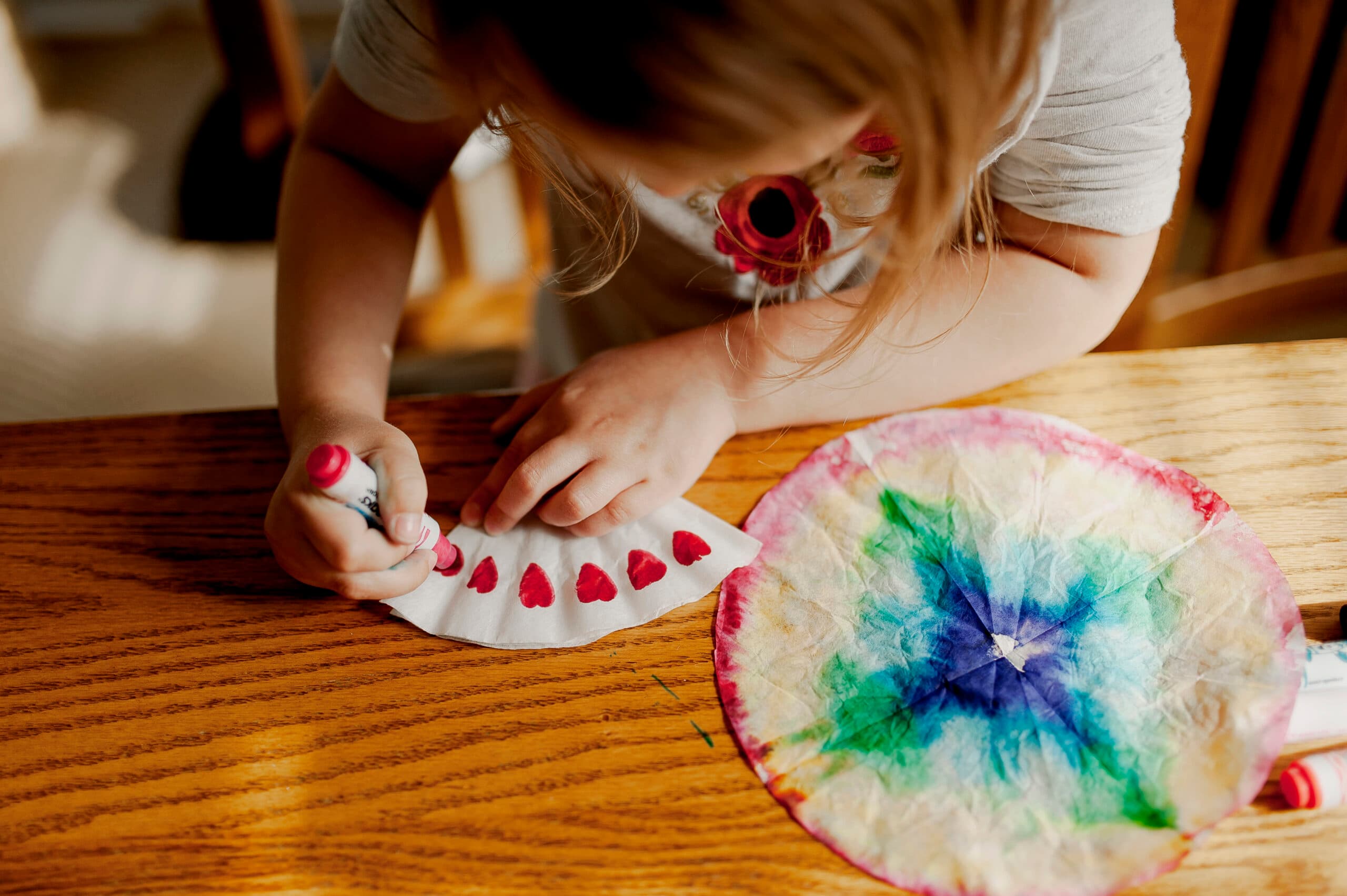
In school, children do lots of activities. They write, draw, paint, and build with different materials. As children do these things, they use tools–scissors to cut paper, paintbrushes to mix colors, and pencils to write letters and numbers.
 EducatorGuide
On Our Way To School – Playgroup Guide
You can use or adapt this playgroup structure to maximize school readiness skill development during your playgroup. Be sure to also visit the On Our Way to School collection to download the accompanying Family Activity Sheets. This playgroup guide includes:
For Caregivers
Play Matters
Practicing “school readiness skills” before children get to school can help them succeed once they are there. Social skills—such as listening, being kind, and taking turns—are important. Practical skills, like caring for their needs and using tools, are also key. All of these skills will make it easier for children to learn and develop academic skills, like learning how to count, read, and write.
It’s okay if your child doesn’t have these skills yet. Growth takes time, and the goal is progress, not perfection.
Tips for Practicing School Readiness Skills
How Children Develop School Readiness Skills
Every child develops at their own pace. It’s important not to compare them to others! Children often enjoy repeating activities. It helps children practice and master new skills. So, be patient as they grow and support your child as they practice.
It's also normal for children to feel frustrated as they learn.
Instead of trying to make those feelings go away, help them work through their emotions. Encourage them and show ways to handle challenges. This teaches them how to manage tough situations—a skill they’ll use throughout life.
Adults’ role in supporting school readiness
It’s tempting to step in when a child struggles! But, children learn best by trying to fix things for themselves. Follow their lead and use positive language to encourage their efforts.
For example, you can say:
“You worked really hard on that!”
“Tell me about your creation.”
“How do you feel about what you made? ”
Instead of giving directions, show your curiosity and patience. Stay engaged, but let your child explore. Watch them closely—this helps you learn what interests your child and what they care about most.
Routines also help children feel secure and ready to learn. A consistent schedule—like regular mealtimes and bedtimes—gives children a sense of what to expect and eases their mind. Schools follow routines too, so practicing this at home can help your child adjust to the classroom environment.
Keep it fun!
Learning should be fun! It’s okay if your child doesn’t follow an activity exactly as you expected. The goal is to enjoy the process, not to do things perfectly.
Having fun can be messy! Messes are often signs of creativity and exploration! To make cleanup easier, prepare your space with a tarp or tablecloth. You can also use trays or even take things outside! Remember, mess-making isn’t bad behavior—it’s how kids learn and explore the world around them.
For Educators
What is School Readiness
For many children, school is the first time they spend a long time away from family or familiar caregivers, surrounded by same-age peers. This can be a stressful and exciting transition that requires a variety of new skills. Educators (like you!) can help build these skills with children as they transition into school.
Download the Playgroup Guide
Looking to provide school readiness playgroups based on the On Our Way to School resource? Download this guide for educators!
What’s included in this guide? This outline offers general tips on leading playgroups focused on school readiness with 2 to 5 year-olds and their caregivers, as well as some specific ideas for each of the six On Our Way to School sessions. Please feel free to adapt the materials and ideas in the ways that work best for you and your families.
Important! You will also need the six On Our Way to School Family Activity Sheets to facilitate this playgroup.
Download the Activity Sheets
The On Our Way to School Family Activity Sheets include unique opportunities to launch and expand on school readiness learning experiences with young children!
For Educators
More on School Readiness
At school, children learn academic content, such as reading, writing, and counting. Lots of socioemotional learning happens in school, too. This includes practicing recognizing and regulating their emotions, but also listening to teachers, showing kindness toward peers, and engaging in pro-social behaviors like taking turns. Additionally, children learn self-care and fine motor skills as they put on coats and zip open lunchboxes.
To succeed in learning, children need foundational "habits of mind." The Museum defines habits of mind as “ways of thinking and being that span cognitive, social, emotional, and physical domains; are process oriented; and change over time with development and practice." Examples of habits of mind include patience, curiosity, persistence, and creative thinking. These skills are essential for building the foundation that allows children to engage in academic learning.
It’s normal for young children who haven’t started school yet to lack these skills—that’s where this resource comes in. Skill development is a continuous process that extends well beyond starting school, and even into adulthood! Think of the ideas in this resource as a starting point for children, not the destination.
While this resource is for school readiness, what we’re really striving for is life readiness. The skills we aim to support through this resource are transferable to any social or learning situation in life. Ultimately, we want to give children tools to nurture a life-long love of learning. The goal is not perfection, but progress.
About this Collection
For Caregivers
Play Matters
Practicing “school readiness skills” before children get to school can help them succeed once they are there. Social skills—such as listening, being kind, and taking turns—are important. Practical skills, like caring for their needs and using tools, are also key. All of these skills will make it easier for children to learn and develop academic skills, like learning how to count, read, and write.
It’s okay if your child doesn’t have these skills yet. Growth takes time, and the goal is progress, not perfection.
Tips for Practicing School Readiness Skills
How Children Develop School Readiness Skills
Every child develops at their own pace. It’s important not to compare them to others! Children often enjoy repeating activities. It helps children practice and master new skills. So, be patient as they grow and support your child as they practice.
It's also normal for children to feel frustrated as they learn.
Instead of trying to make those feelings go away, help them work through their emotions. Encourage them and show ways to handle challenges. This teaches them how to manage tough situations—a skill they’ll use throughout life.
Adults’ role in supporting school readiness
It’s tempting to step in when a child struggles! But, children learn best by trying to fix things for themselves. Follow their lead and use positive language to encourage their efforts.
For example, you can say:
“You worked really hard on that!”
“Tell me about your creation.”
“How do you feel about what you made? ”
Instead of giving directions, show your curiosity and patience. Stay engaged, but let your child explore. Watch them closely—this helps you learn what interests your child and what they care about most.
Routines also help children feel secure and ready to learn. A consistent schedule—like regular mealtimes and bedtimes—gives children a sense of what to expect and eases their mind. Schools follow routines too, so practicing this at home can help your child adjust to the classroom environment.
Keep it fun!
Learning should be fun! It’s okay if your child doesn’t follow an activity exactly as you expected. The goal is to enjoy the process, not to do things perfectly.
Having fun can be messy! Messes are often signs of creativity and exploration! To make cleanup easier, prepare your space with a tarp or tablecloth. You can also use trays or even take things outside! Remember, mess-making isn’t bad behavior—it’s how kids learn and explore the world around them.
For Educators
What is School Readiness
For many children, school is the first time they spend a long time away from family or familiar caregivers, surrounded by same-age peers. This can be a stressful and exciting transition that requires a variety of new skills. Educators (like you!) can help build these skills with children as they transition into school.
Download the Playgroup Guide
Looking to provide school readiness playgroups based on the On Our Way to School resource? Download this guide for educators!
What’s included in this guide? This outline offers general tips on leading playgroups focused on school readiness with 2 to 5 year-olds and their caregivers, as well as some specific ideas for each of the six On Our Way to School sessions. Please feel free to adapt the materials and ideas in the ways that work best for you and your families.
Important! You will also need the six On Our Way to School Family Activity Sheets to facilitate this playgroup.
Download the Activity Sheets
The On Our Way to School Family Activity Sheets include unique opportunities to launch and expand on school readiness learning experiences with young children!
For Educators
More on School Readiness
At school, children learn academic content, such as reading, writing, and counting. Lots of socioemotional learning happens in school, too. This includes practicing recognizing and regulating their emotions, but also listening to teachers, showing kindness toward peers, and engaging in pro-social behaviors like taking turns. Additionally, children learn self-care and fine motor skills as they put on coats and zip open lunchboxes.
To succeed in learning, children need foundational "habits of mind." The Museum defines habits of mind as “ways of thinking and being that span cognitive, social, emotional, and physical domains; are process oriented; and change over time with development and practice." Examples of habits of mind include patience, curiosity, persistence, and creative thinking. These skills are essential for building the foundation that allows children to engage in academic learning.
It’s normal for young children who haven’t started school yet to lack these skills—that’s where this resource comes in. Skill development is a continuous process that extends well beyond starting school, and even into adulthood! Think of the ideas in this resource as a starting point for children, not the destination.
While this resource is for school readiness, what we’re really striving for is life readiness. The skills we aim to support through this resource are transferable to any social or learning situation in life. Ultimately, we want to give children tools to nurture a life-long love of learning. The goal is not perfection, but progress.
On Our Way to School Collection: 7 items
Resources in the On Our Way to School collection
CaregiverActivityAll About Me
Starting school is exciting! But it might also feel a little scary. Children can start to connect with their new friends at school by talking about themselves and their families.
CaregiverActivityLet’s Be Friends
Children spend lots of time with friends at school. Being kind and understanding others’ feelings helps children have positive interactions.
CaregiverActivityI Can Listen
Listening to and following directions happens throughout the school day. A typical school day includes circle time or morning meetings, where the class learns what happens during the day. During activities, they need to know what steps to follow. These skills help children feel like part of the group. When children feel that they belong, it’s easier to make friends, work together, and be ready to learn in school.
CaregiverActivityI Am Patient
Patience is about learning to wait for a turn, be with the group, and stay calm. These skills help children join class activities and make friends.
CaregiverActivityI Can Do It
At home, children can often get one-on-one help with what they need. At school, teachers have many children to care for and may not be able to assist right away. This is why it is important for children to learn to do tasks like zip jackets, put on shoes, and open snack containers. These everyday tasks use fine motor skills—small movements of the fingers, hands, and wrists.
CaregiverActivitySnip, Stick, Scribble!
In school, children do lots of activities. They write, draw, paint, and build with different materials. As children do these things, they use tools–scissors to cut paper, paintbrushes to mix colors, and pencils to write letters and numbers.
EducatorGuideOn Our Way To School – Playgroup Guide
You can use or adapt this playgroup structure to maximize school readiness skill development during your playgroup. Be sure to also visit the On Our Way to School collection to download the accompanying Family Activity Sheets. This playgroup guide includes: