Swirl, Mix, and Dot
Using Paint with Tiny Hands
Painting is creative and can be relaxing for children. It also builds fine motor control and coordination.
- Audience
- Caregiver
- Subject
- Fine Motor Skill Development
- Age
- KindergartenPre-KPreschoolToddler
- Languages
- EnglishSpanish
- Materials
- Cotton swabs, paint, paper, paintbrush, plastic cup, scissors
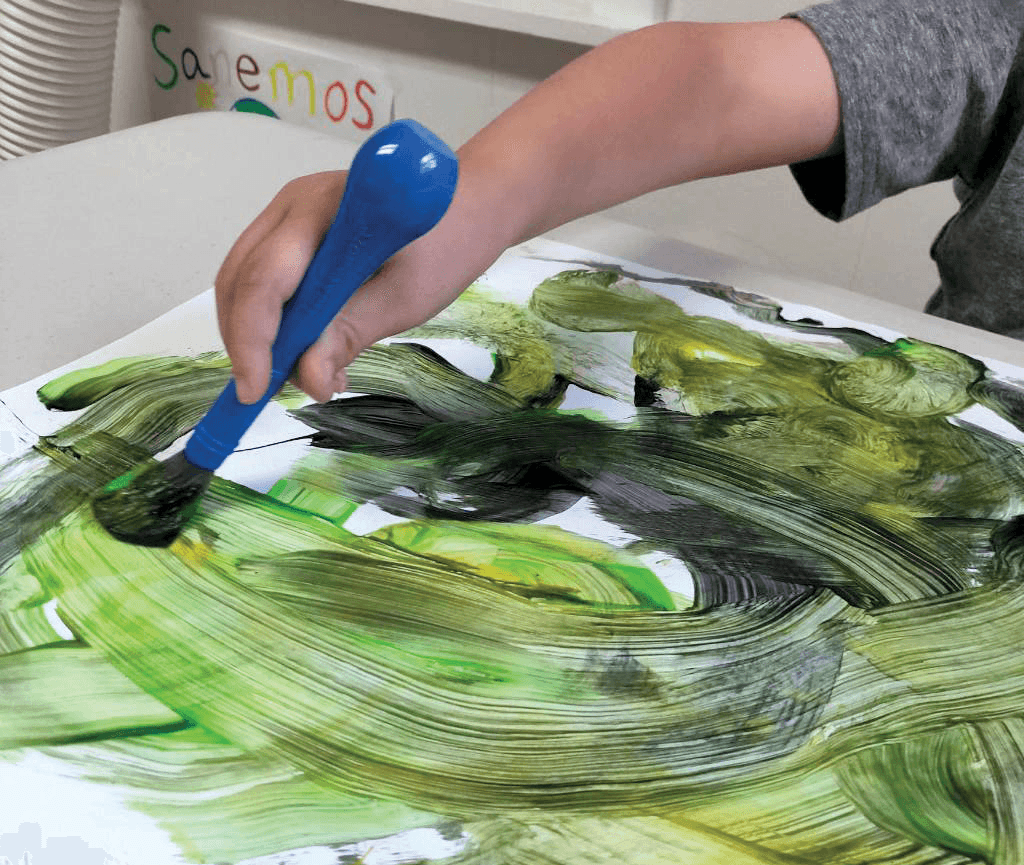
Painting at home because it can get messy. But there are ways to control the mess by using only a little paint or painting outside!
The Basics
Help your child learn to use a paintbrush. Even if it's not their first time, they might need reminders.
- Show them different ways to hold the brush.
- Smushing the brush down on the paper can make interesting shapes. But it can also cause frustration if the paper tears or the brush bristles get flat.
- Encourage them to rinse and dry their brush as needed.
Tool Tips
Provide small amounts of paint and water to reduce spills. If working inside, cover the area with something like newspaper or an old-tablecloth. Cotton swabs (Q-Tips) should never go in eyes, ears, or noses.
Things to Try with 2 to 3-Year Olds
Making marks. Give your child one color of paint in a plastic cup. Encourage them to try the paintbrush, a cotton swab, and even one finger. They can make dots, lines, and shapes on their paper.
Mixing colors. Give your child two or three colors of paint. Encourage them to mix a little bit of two or more of the colors together on their paper. They can add more or less of each color to see what happens.
Painting with water. Try this outside on the sidewalk. Give your child a paintbrush and a little water. Encourage them to paint on the pavement or a rock. Take photos to help them remember what they made.
Things to Try with 3 to 5-Year Olds
Many different ways. Invite your child to use cotton swabs to create dot paintings. Or explore ways of using just the tip of the paintbrush to make thinner lines and thicker lines. If painting outdoors with water, try using the brush to make a splatter painting.
Tracing and copying. Help your child draw some favorite shapes, letters, or numbers with a pencil on paper. Invite them to trace over or copy the pencil lines with cotton swabs and paint. After the paint dries, encourage them to practice their scissors skills and cut out the shapes or letters.
Storytelling with paint. If your child is painting a picture, talk with them about the shapes and colors on their paper. As they work, avoid guessing what they are painting. When they are done, ask your child to tell you what is happening in the picture so you can help them write it down.
Bonus!
Full Body Activity. Turn on some music and invite your child to paint to the music. If you are comfortable, encourage your child to stand as they paint. Change the type of music and do a new painting. See how the type of music changes what and how they paint! After you clean up the paint, listen to the same music and dance together. Do your dances remind you of their paintings?
Things to Say
“I see a blue line and two red circles.”
“What can you tell me about your painting?”
“How did painting this make you feel?”
Related Resources
 CaregiverActivity
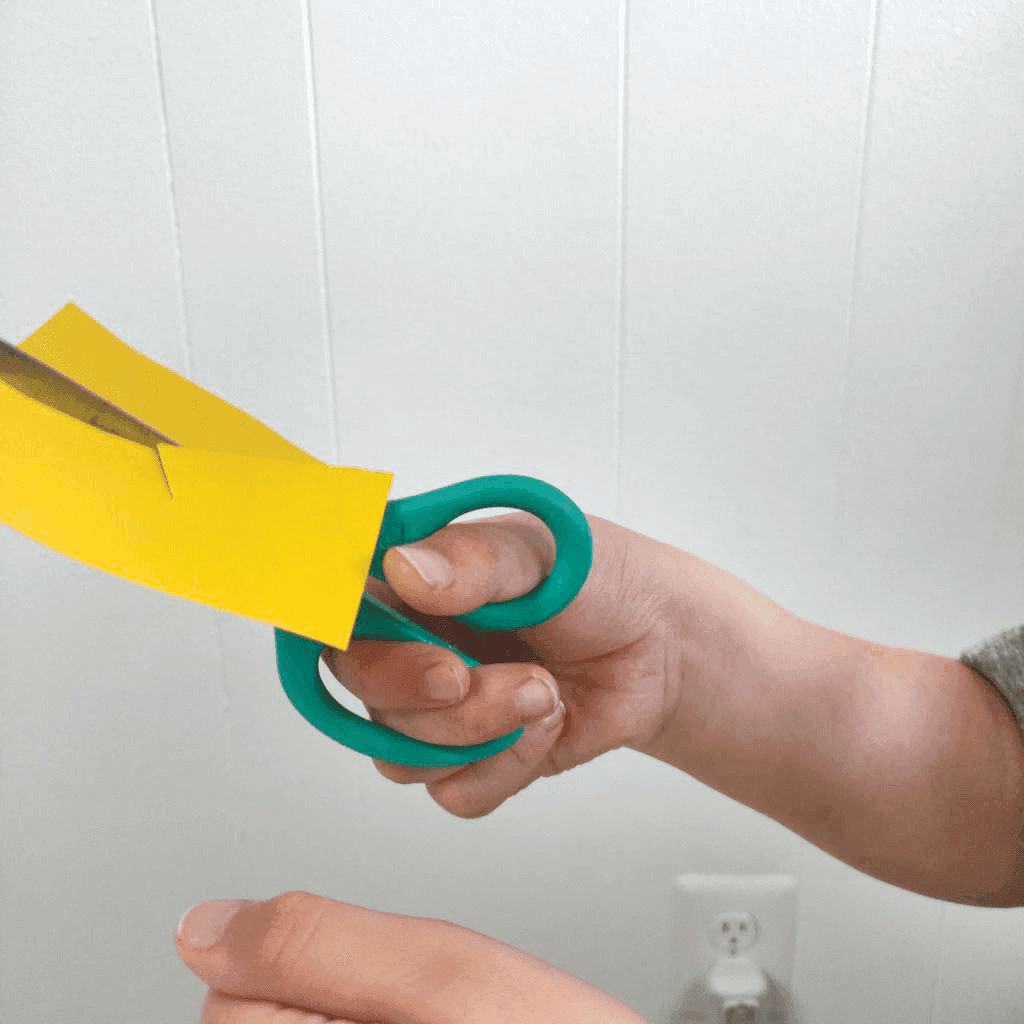
Ready, Steady, Cut
 CaregiverActivity
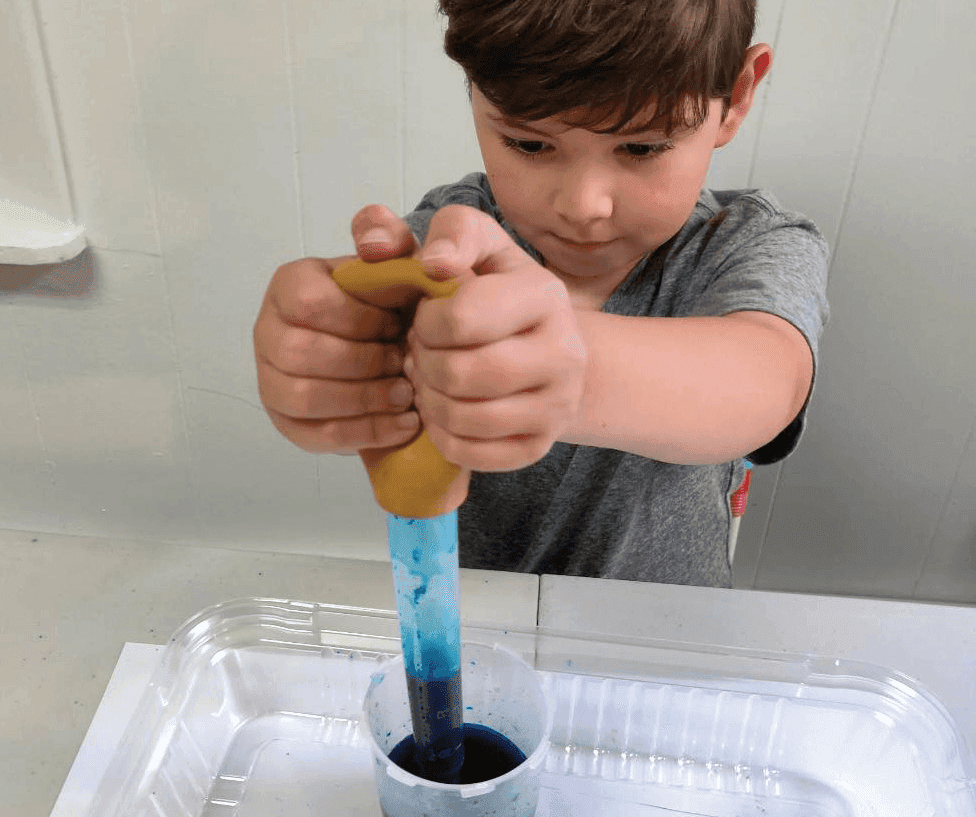
Squeeze It
Turkey basters and eye droppers are perfect tools for practicing fine motor skills. They are also great for learning to focus and look closely at something.
 CaregiverActivity
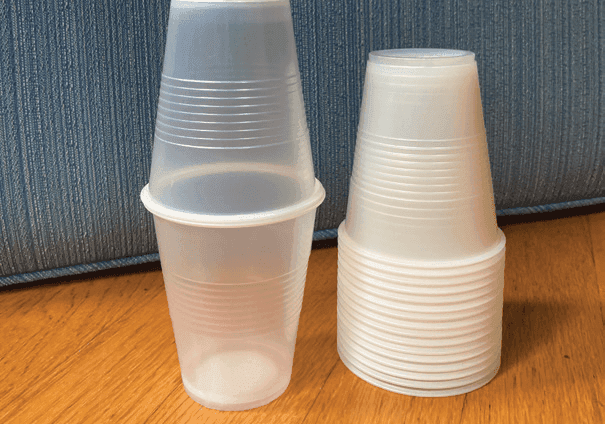
Stack Them Up, Knock Them Down!
Cups of all shapes and sizes can keep your child busy for longer than you might think. Each of these activities builds coordination and control in your
child’s hand muscles.
 CaregiverActivity
Pick It Up
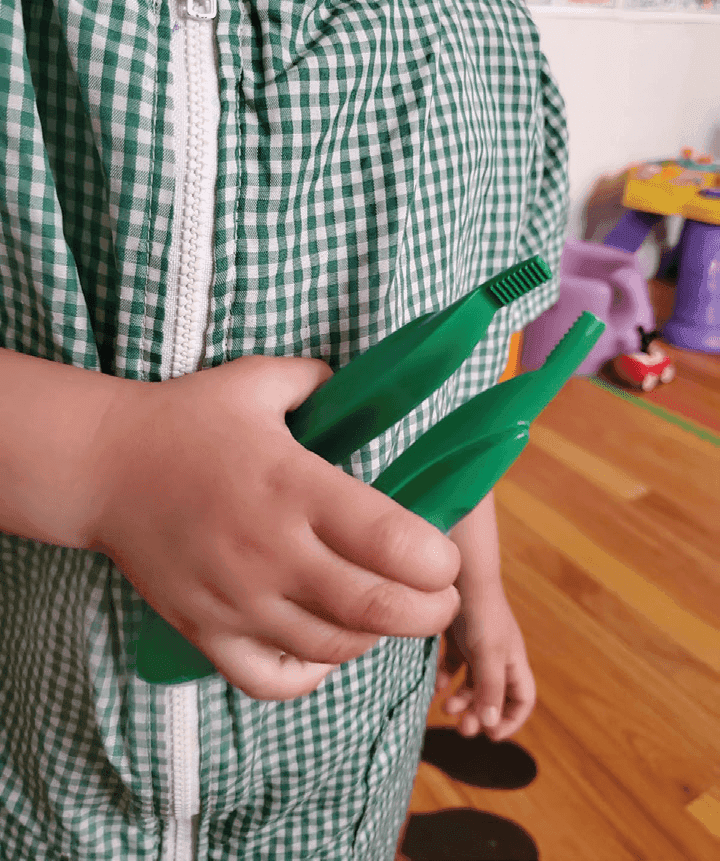
Fingers and tweezers do similar jobs. They both help to pick things up. Using tweezers takes lots of control and hand-eye coordination.
 CaregiverActivity
Peel, Rip, and Stick
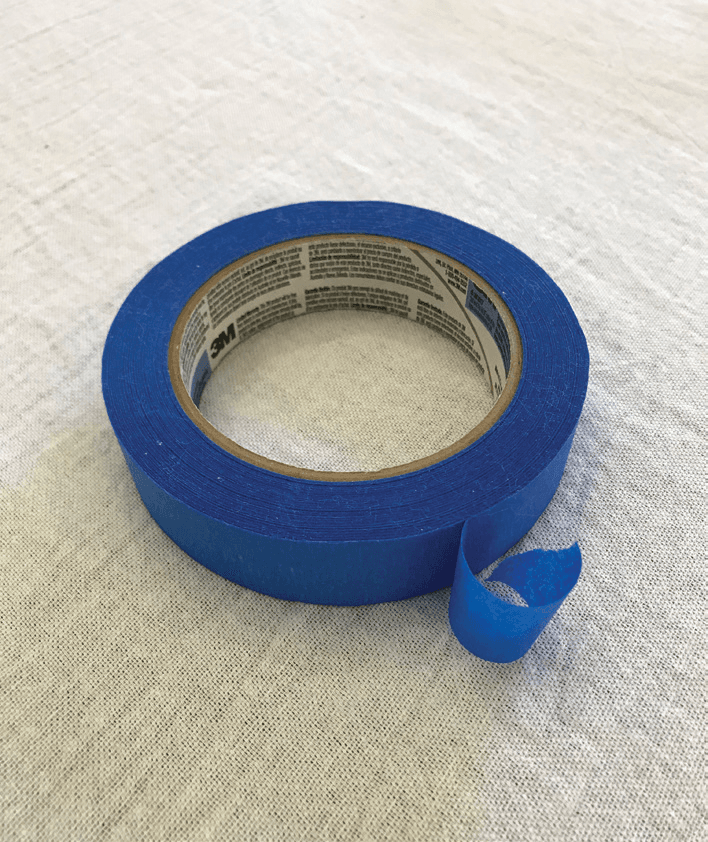
Tape and stickers are excellent tools for practicing small movements such as peeling, ripping and sticking.
 CaregiverActivity
Touch, Point, and Turn
 CaregiverActivity
Snip, Stick, Scribble!
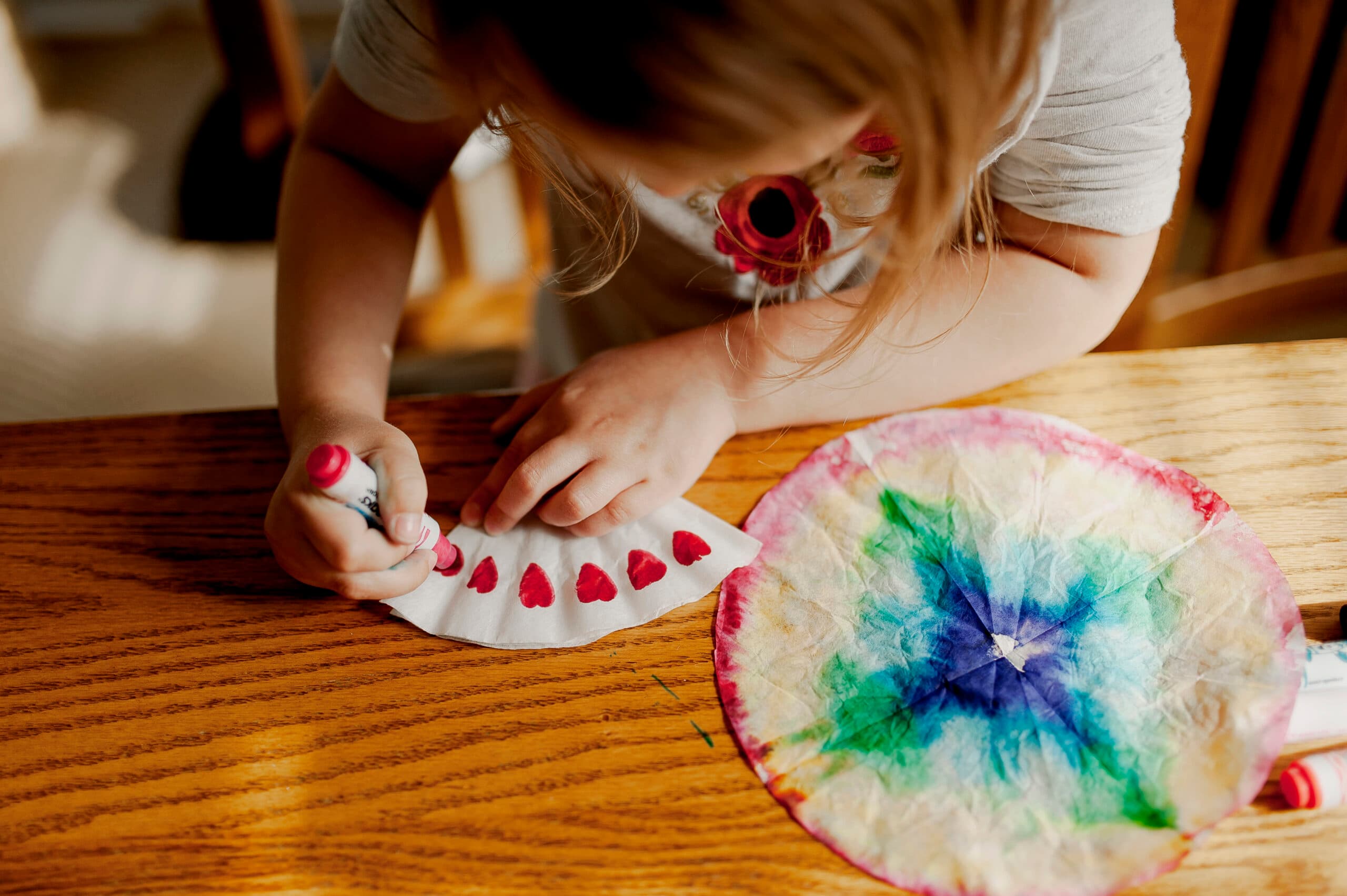
In school, children do lots of activities. They write, draw, paint, and build with different materials. As children do these things, they use tools–scissors to cut paper, paintbrushes to mix colors, and pencils to write letters and numbers.
 CaregiverActivity
I Can Do It
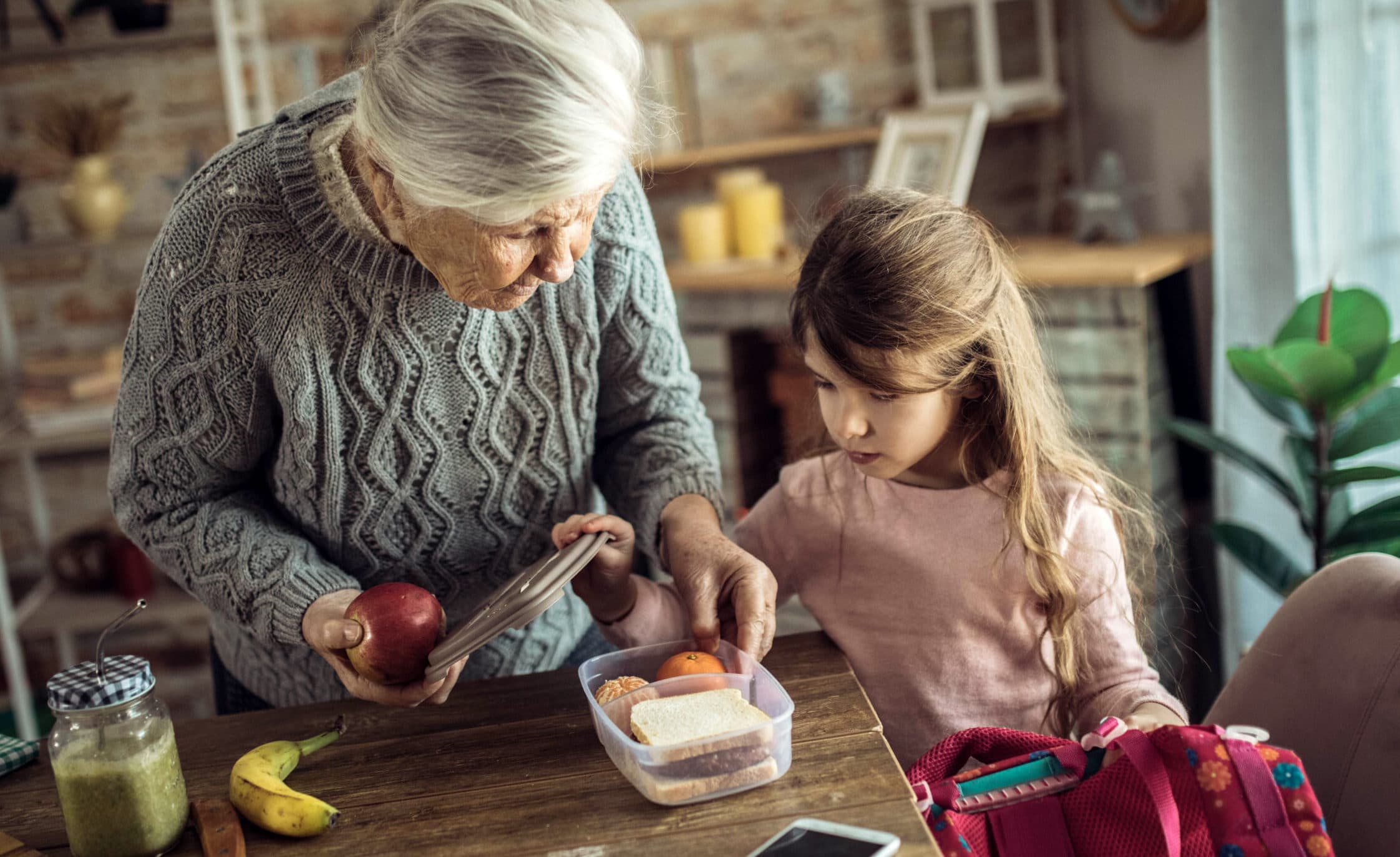
At home, children can often get one-on-one help with what they need. At school, teachers have many children to care for and may not be able to assist right away. This is why it is important for children to learn to do tasks like zip jackets, put on shoes, and open snack containers. These everyday tasks use fine motor skills—small movements of the fingers, hands, and wrists.