Making Seed Balls
Being able to watch the growth of seeds that you planted yourself is a great way for children to appreciate nature. First we mix ingredients, next we watch a seedling grow, then we see a flower bloom!
- Audience
- Caregiver
- Subject
- Nature & Outdoor
- Age
- InfantKindergartenPre-KPreschoolToddler
- Languages
- Brazilian PortugueseEnglishHaitian CreoleSimplified ChineseSpanishVietnamese
- Materials
- Soil, air dry clay, tray or plate, water, wildflower seeds
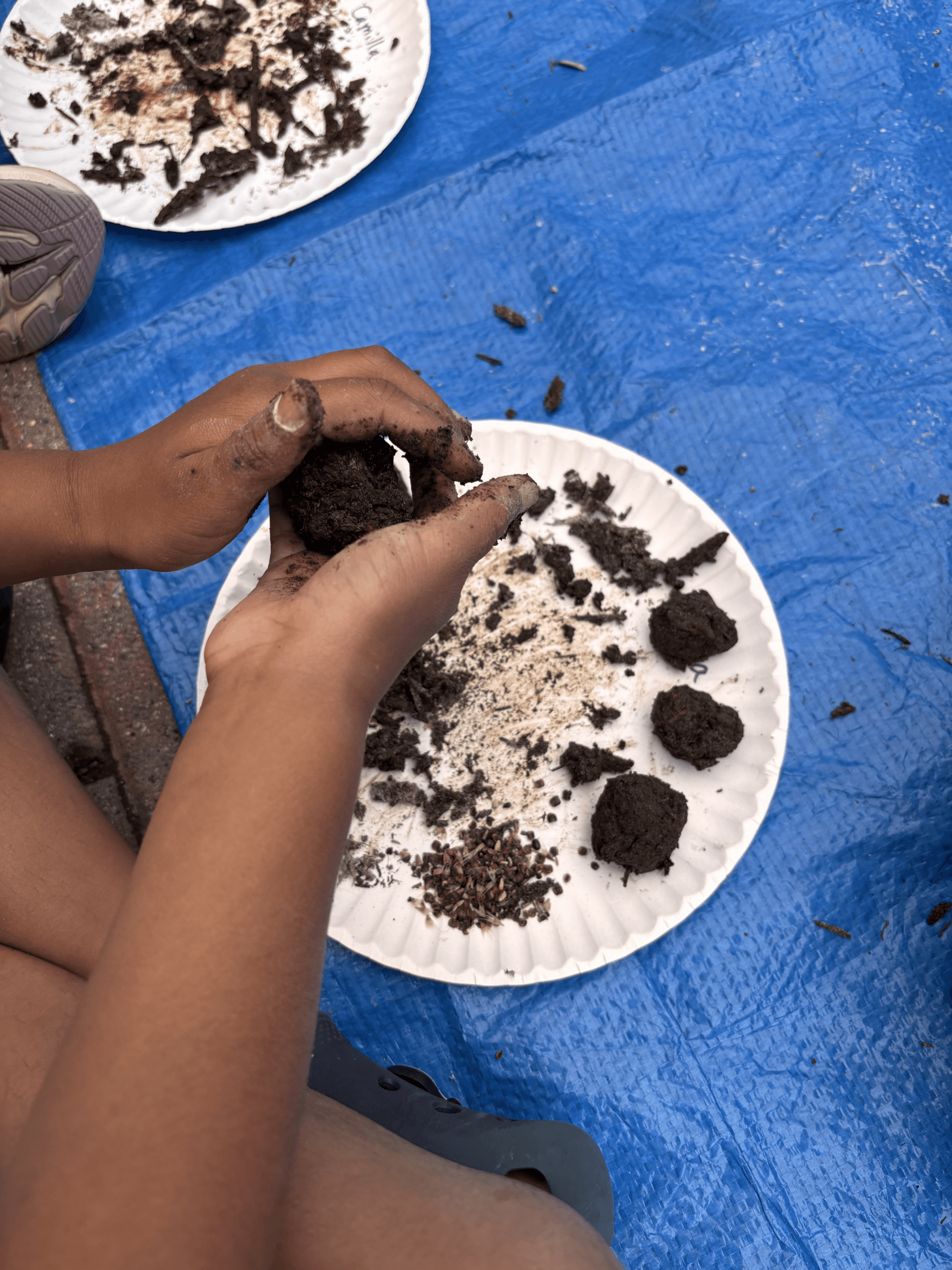
Try making seed balls with your child!
Activity
- Sit at a table or on a tarp with your child. Mix some air-dry clay and soil onto a tray or plate. You can use about half clay and half soil, but it doesn’t have to be exact.
- Add a tablespoon or two of seeds. Let your child mix everything with their fingers or a spoon. Slowly add a little water until it feels like dough. If it gets too sticky, add more clay and soil.
- Roll the mixture into balls. They can be small like marbles or bigger like golf balls.
- Set the seed balls in the sun to dry. Once dry, place them outside in soil, a garden, or a pot. You can just put them down or gently toss them. Watch over time to see how they grow. If it’s dry, water them too!
Try this with babies
- Explore the soil! Pre-mix the clay and soil, and let them squish the dirt, mix the seeds, and watch the seeds sprout later.
- Even if babies don’t understand how seeds grow, playing in the dirt helps them learn and get excited about plants later.
Fun facts to share
- Seed balls protect seeds and let them grow outside without a pot. Use native seeds, which are special seeds that grow plants unique to where we live. These plants help insects that live nearby, which helps the environment. Encourage your child to watch for bugs around the new plants as they grow.
Ideas for different weather
- Sunny days are great for drying seed balls. When it rains, check to see if the balls start to break down or the seeds begin to sprout. Any weather can help plants grow!
Related Resources
 CaregiverActivity
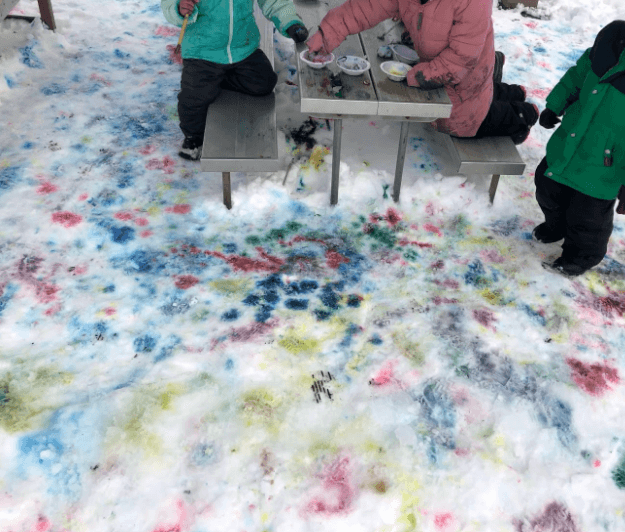
Painting Snow
Children can paint freely across a unique surface and see where their ideas take them. Experiencing textures and temperatures you feel, like the hard ground, cold snow, and frozen, slippery ice.
 CaregiverActivity
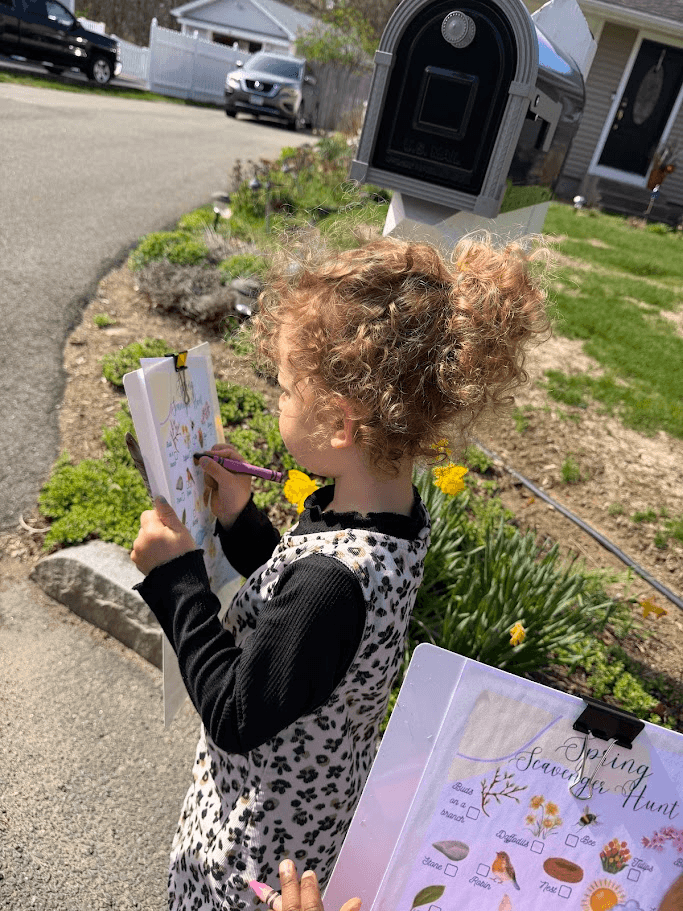
Scavenger Hunts
Encourage children to explore, observe their surroundings using their senses and tools (magnifying glasses), and ask questions about what they notice. Find all the items on their scavenger hunt checklist can promote a sense of independence as well.
 CaregiverActivity
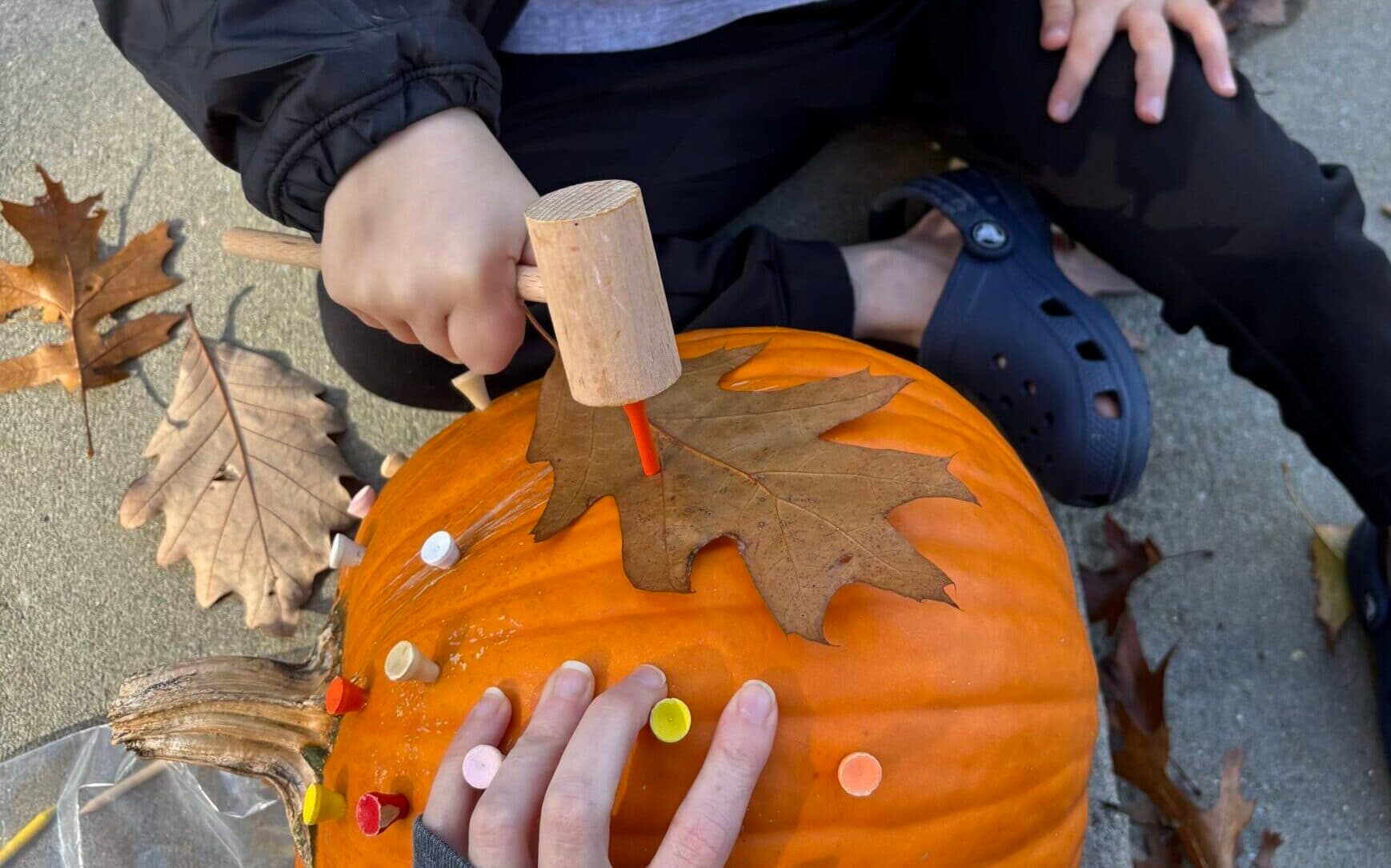
Pumpkin Hammering
Children will figure out how to get the golf tees in and out of the pumpkin and how to hold the tee and use the mallet safely and accurately. Offering the opportunity for children to try something new that can be challenging.
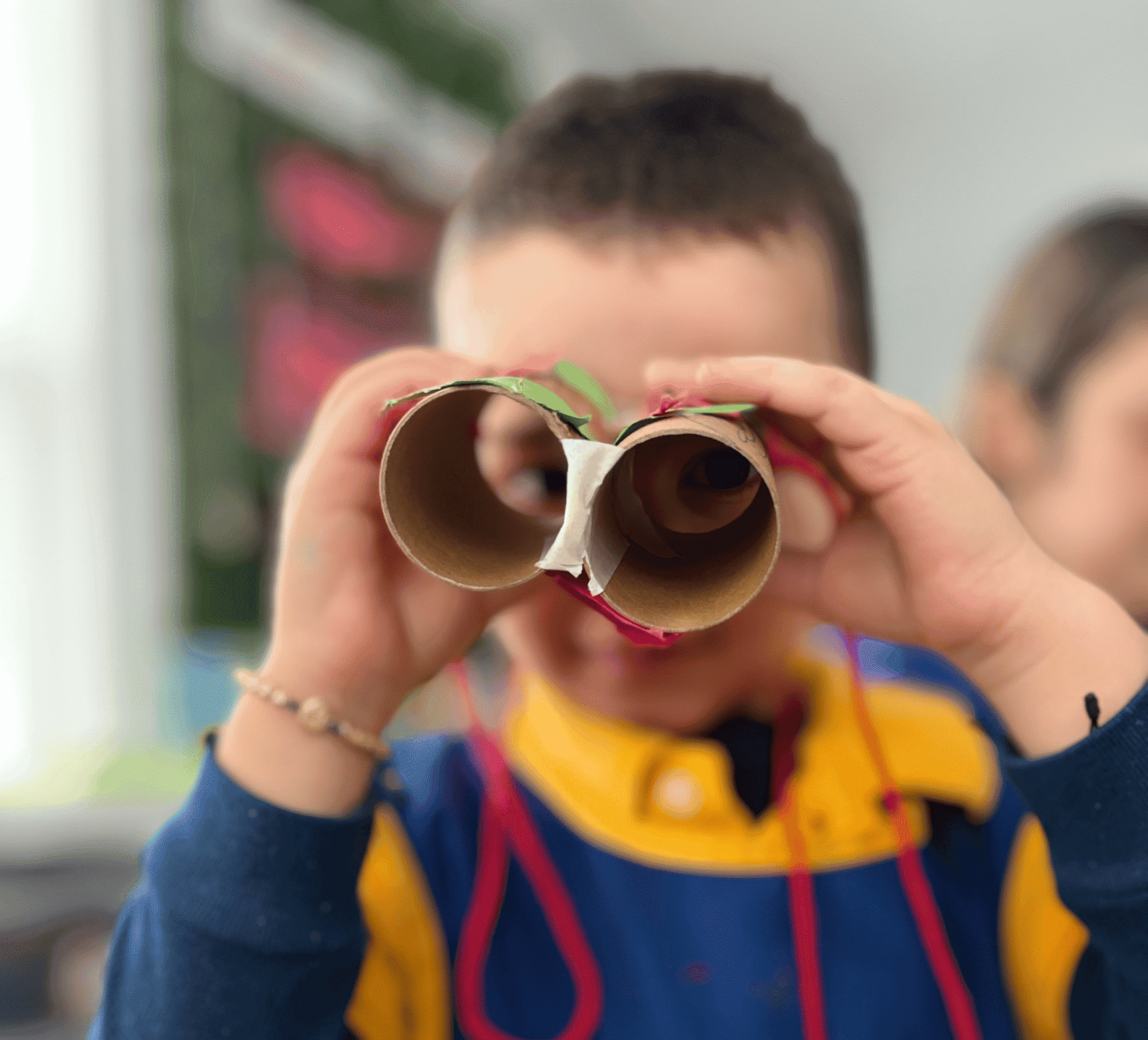 CaregiverActivity
Paper Tube Binoculars
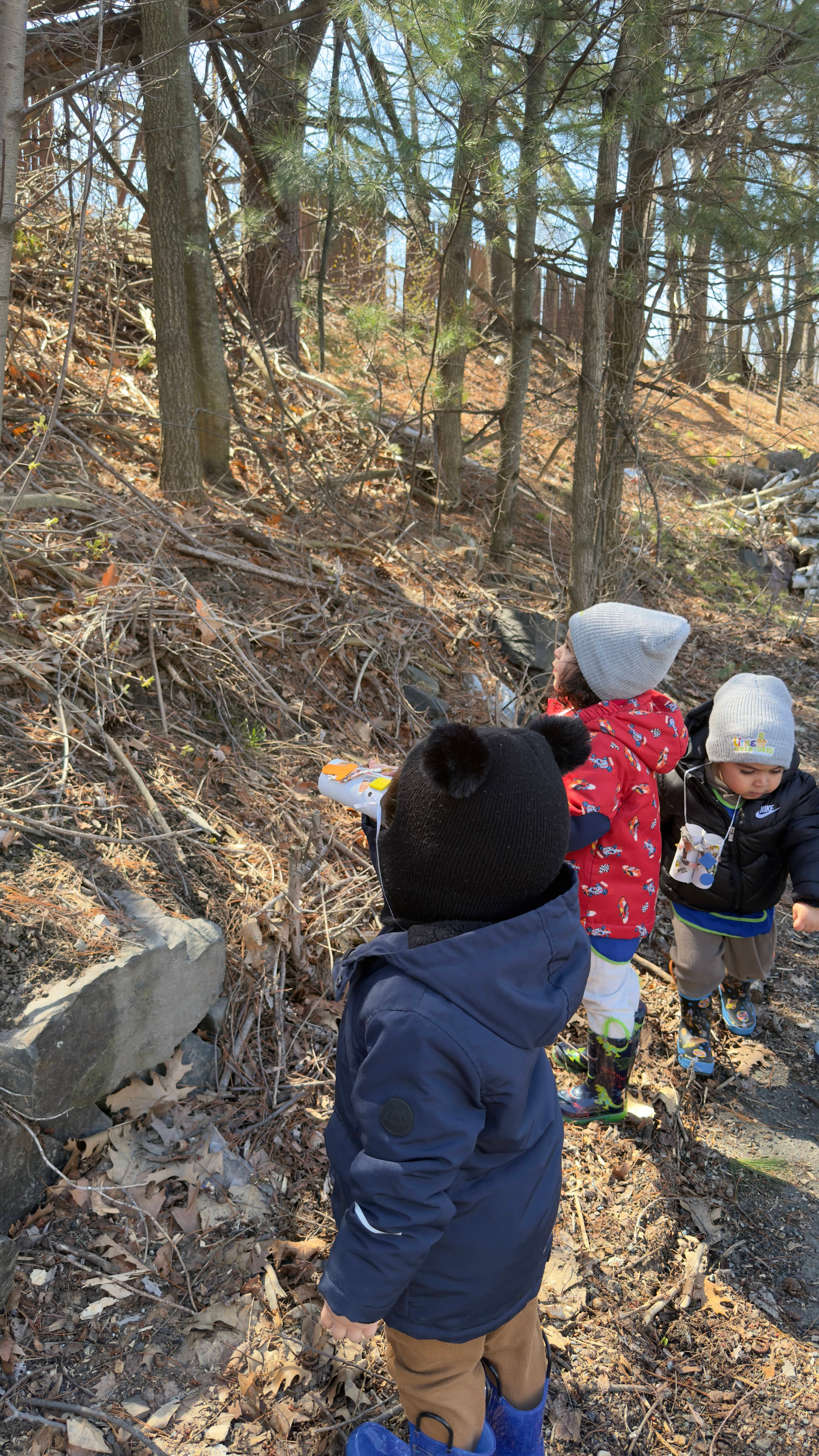
By making and using binoculars, children will closely engage with the natural world as they explore. Encourage them to notice the small details such as colors, shapes, and patterns as they explore different items, animals, and so much more!
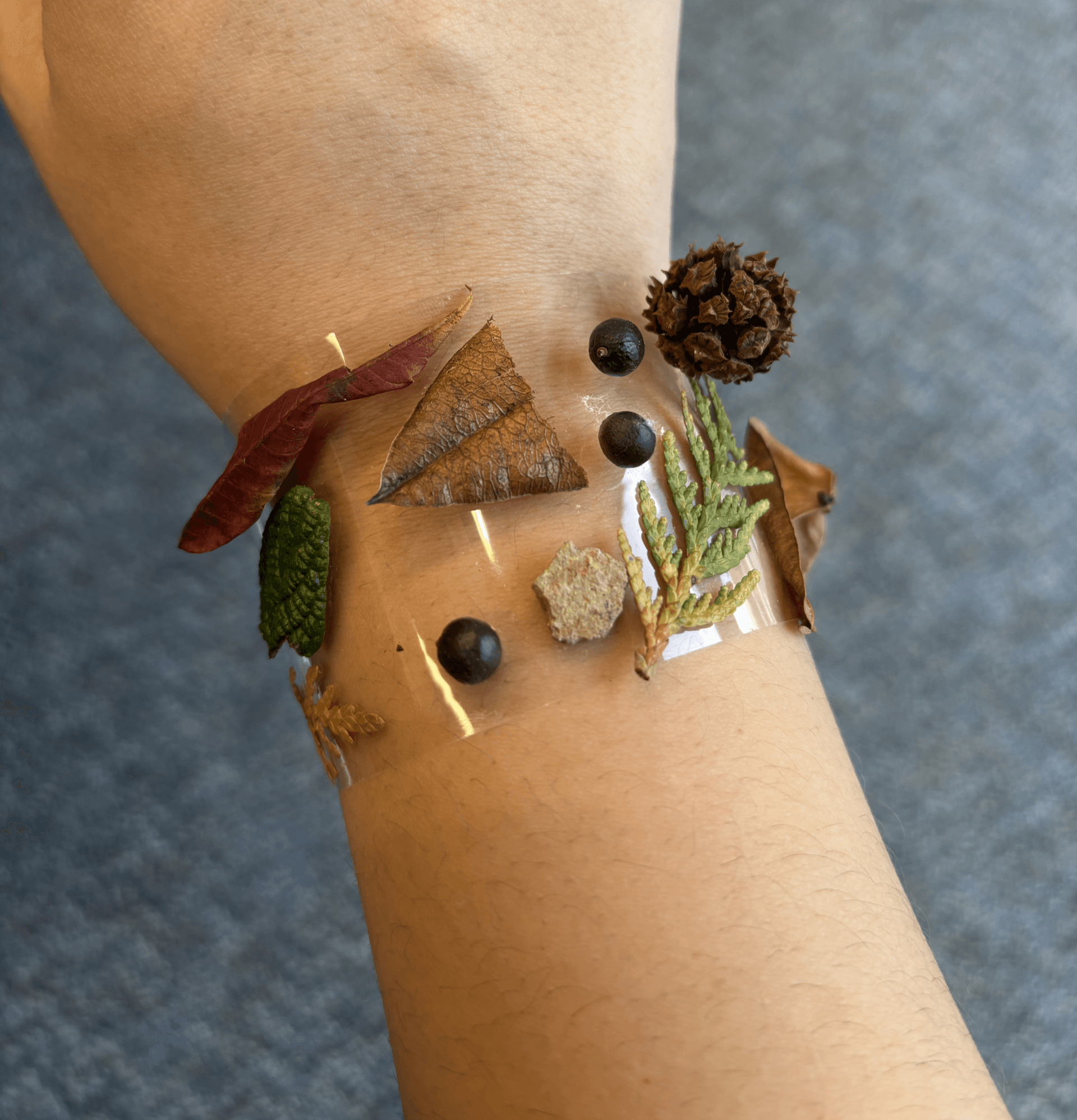 CaregiverActivity
Nature Bracelets
Collect objects from nature and arrange the items to create a personalized bracelet that showcases children’s discoveries and preferences.
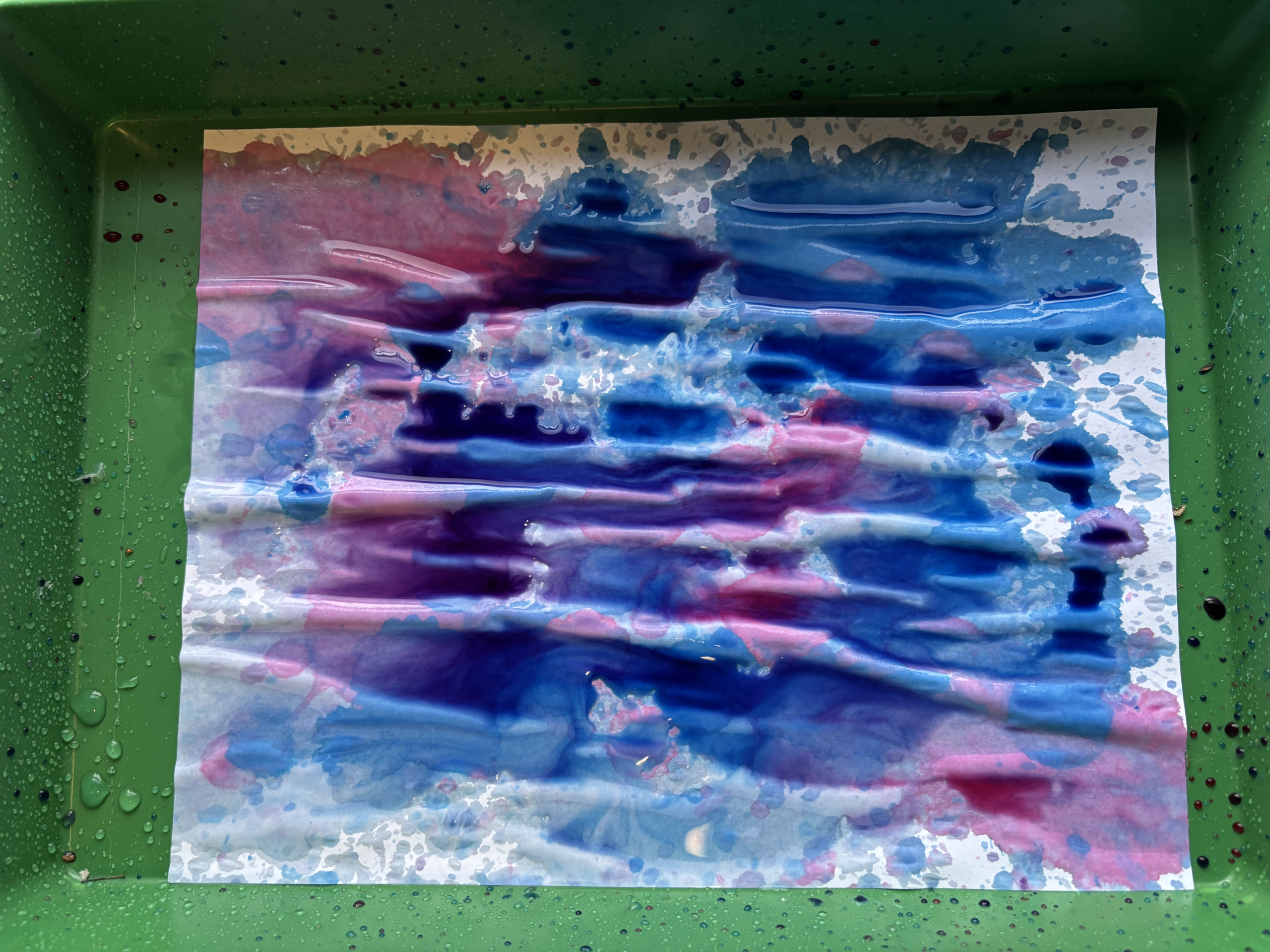 CaregiverActivity
Painting with Rain
Paintings will change in the rain, and colors will mix together. Children can be imaginative with the design of their paintings, and enjoy the process of mixing colors. Learning to accept unpredictable outcomes and/or try again is a great lesson.
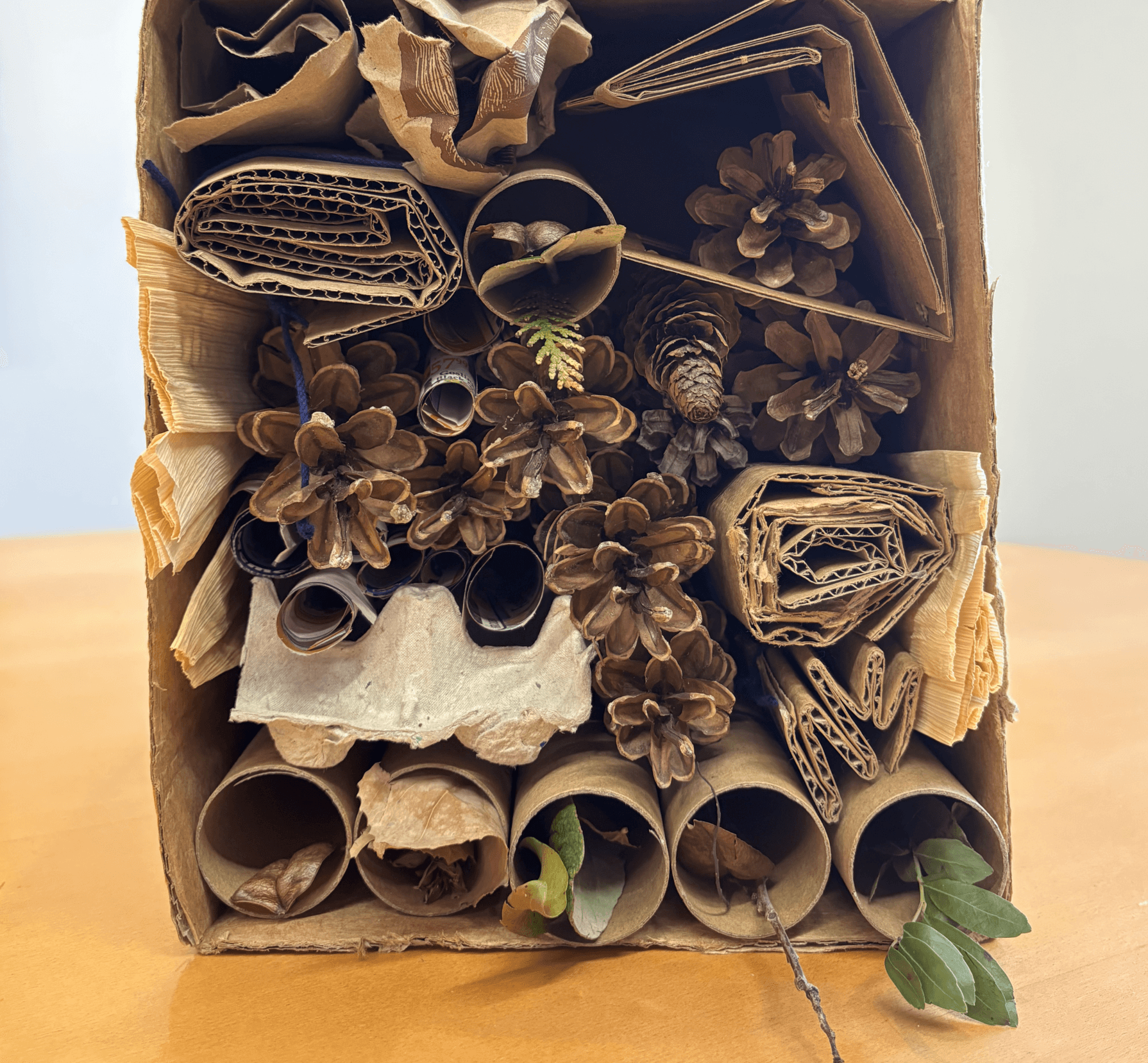 CaregiverActivity
Making Bug Homes
Creating a home for someone else encourages taking care of other living things, and thinking about what makes someone else feel comfortable. Children apply their own knowledge and concept of what a home is, and think imaginatively about how this concept relates to insects based on their needs.
 EducatorGuide
Playful by Nature – Educator Guide
You can incorporate nature-based education anywhere! You don’t need to live in a rural area, or have a forest in your neighborhood, or even have a yard at all. Nature can truly be discovered in unexpected places.